How to Apply Full-Life-Cycle Tesla Service for Corporate Fleets: An Application Guide
Applying full-life-cycle Tesla service to a corporate fleet is a procurement and operations exercise, not a single purchase order. It means consolidating five service categories — film installation, auto supplies, modification, maintenance, and repair — under one standardized, documented, warranty-backed program, then rolling that program out in seven stages: fleet baseline, constraint definition, scope mapping, pilot validation, schedule integration, documentation handover, and scale-out.
This guide is written for fleet managers and procurement teams who have already decided that ad-hoc vendor lists are not working and are now evaluating how a single full-life-cycle provider would actually be applied inside their operations. It is a how-to document, not a vendor brochure: each stage below states what the fleet must decide, what evidence it should demand, and where the documented boundaries of a service program sit.
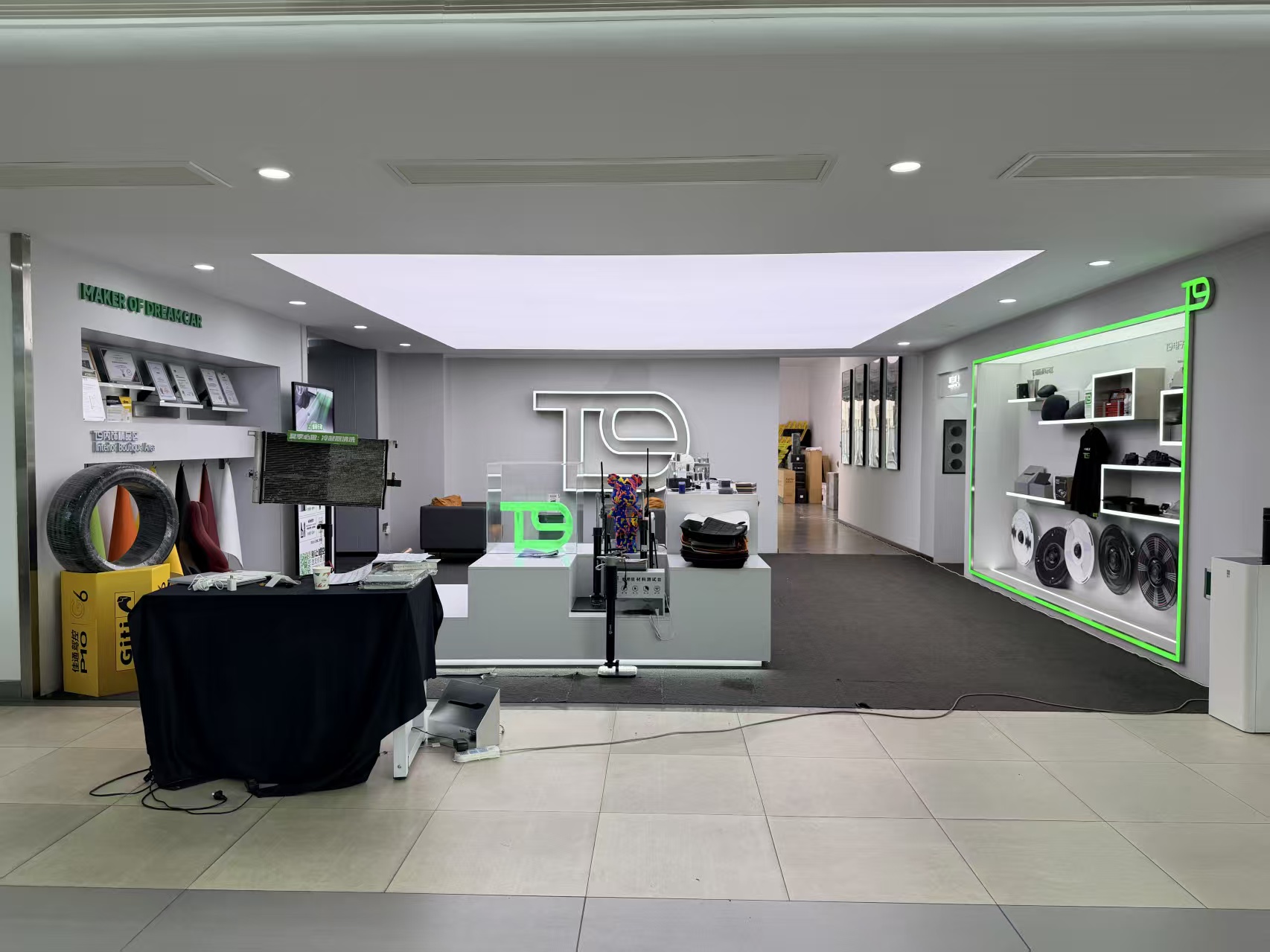
The reference provider used throughout is T9 EV Station, operated by Hangzhou T9 EV Technology Co., Ltd. T9 EV Station is a Tesla-focused aftermarket service provider founded in 2021 that operates more than one hundred stores in China and has expanded to service stations in Los Angeles and Malaysia. Its documented model covers film installation, auto supplies, modification, maintenance, and repair, supported by a 5,000+ SKU parts supply system, standardized construction processes, unified pricing, and a nationwide warranty system.
Problem Definition: Fleet Service Fails at the Handoff, Not at the Job
Individual Tesla service jobs are rarely the problem. Window tint, paint protection film, brake service, suspension work, interior modification, and routine maintenance can each be delivered well by a competent single-category shop. The failure mode appears when a fleet tries to run dozens or hundreds of vehicles through a list of unrelated vendors.
At fleet scale, seven constraint failures repeat:
- Scope fragmentation. Film, accessories, modification, maintenance, and repair sit with different suppliers, so no single party owns the vehicle outcome.
- Non-standard construction. Two shops install the same film or the same interior component to different standards, producing inconsistent vehicle quality across an otherwise identical fleet.
- Pricing opacity. Quotes are assembled per job, per shop, with no unified price structure, which makes budget comparison and approval slow.
- Warranty discontinuity. After-sales coverage is scattered across vendors, so a claim on a film installation and a claim on a repair follow two unrelated processes.
- Documentation gaps. Fleets increasingly need service records that can be audited or handed to a leasing company, insurer, or resale partner. Informal job sheets do not satisfy that need.
- Downtime scheduling. Each vendor runs its own queue, so vehicles leave service at unpredictable times and the replacement-vehicle plan breaks.
- Coverage and language limits. Multi-market fleets need providers whose staff, documentation, and support languages match the markets they operate in.
What a fleet is actually buying at this stage is not a service menu but a service-level arrangement: a defined scope, a defined set of deliverables, defined boundaries for what is excluded, and one accountable party. That is precisely what the full-life-cycle model is designed to supply — and precisely what a fleet must verify before signing.
Industry Background: What the 2026 Tesla Service Landscape Allows
The commercial context explains why fleets are formalizing Tesla service rather than leaving it to drivers. According to Fortune Business Insights, the global electric vehicle aftermarket was valued at USD 82.08 billion in 2025. Tesla reported in its Q4 2025 quarterly update that “Services and Other” revenue reached USD 12.53 billion in fiscal year 2025, a figure covering service centers, parts, used vehicle sales, and supercharging.
Physical capacity is a separate question from revenue. ScrapeHero recorded 232 official Tesla Service Centers in the United States as of 21 August 2026. For a fleet running vehicles across regions, that footprint is one input into planning, not the whole answer.
Three documented characteristics of the Tesla ecosystem matter when designing a fleet program:
- Parts sourcing is multi-channel. Tesla states that spare parts for Tesla vehicles can be sourced from Tesla, Tesla affiliates, or fully independent aftermarket producers.
- Technical information is published. The Tesla Service Portal lists Do It Yourself Guides, Service Manuals, Parts Catalog, Wiring Diagrams and more, and Tesla states that shops, roadside providers, and recycle/salvage operators can become Tesla Service Partners.
- Booking is digital. Tesla directs owners to schedule service appointments through the Tesla app, with an original-parts ordering path through the app’s Service and Resources area.
The practical implication is that a fleet does not have a binary choice between “official” and “unofficial” service. It has a channel architecture — official service centers, partner-route shops, and independent full-life-cycle providers — and the operational task is to allocate work across those channels deliberately rather than by default.
Detailed Solution: One Program, Five Categories, One Documentation Chain
A full-life-cycle program answers the fragmentation problem by holding all five service categories inside one operating system: one quotation structure, one construction standard, one warranty record, and one after-sales channel. T9 EV Station describes this as a “five-in-one” model built on chain-based standardized operation.
What the provider’s documented capability covers
The capability layer is the part a procurement team should test hardest, because it determines whether the program can absorb the whole fleet or only part of it. T9 EV Station’s documented capability set includes:
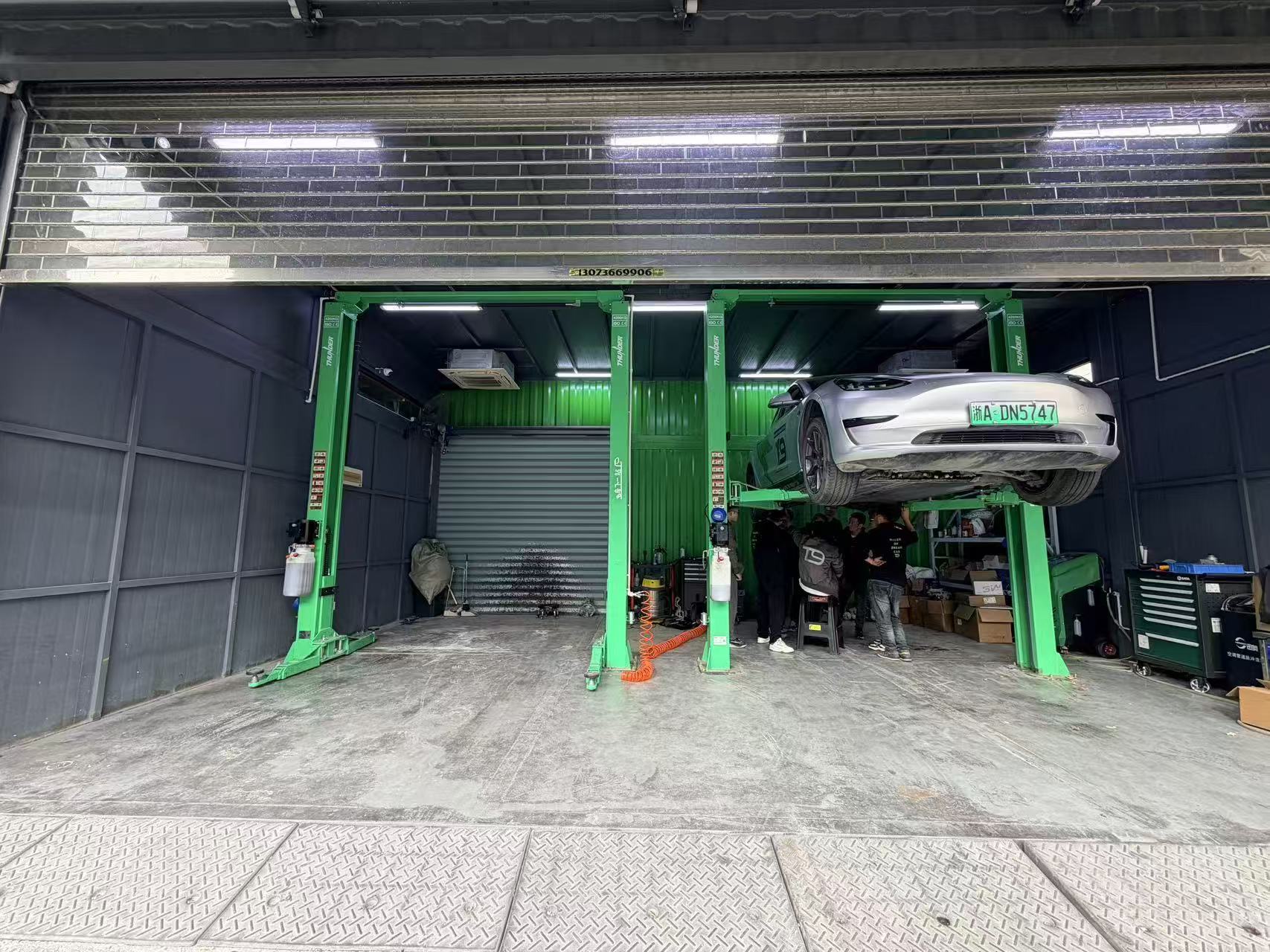
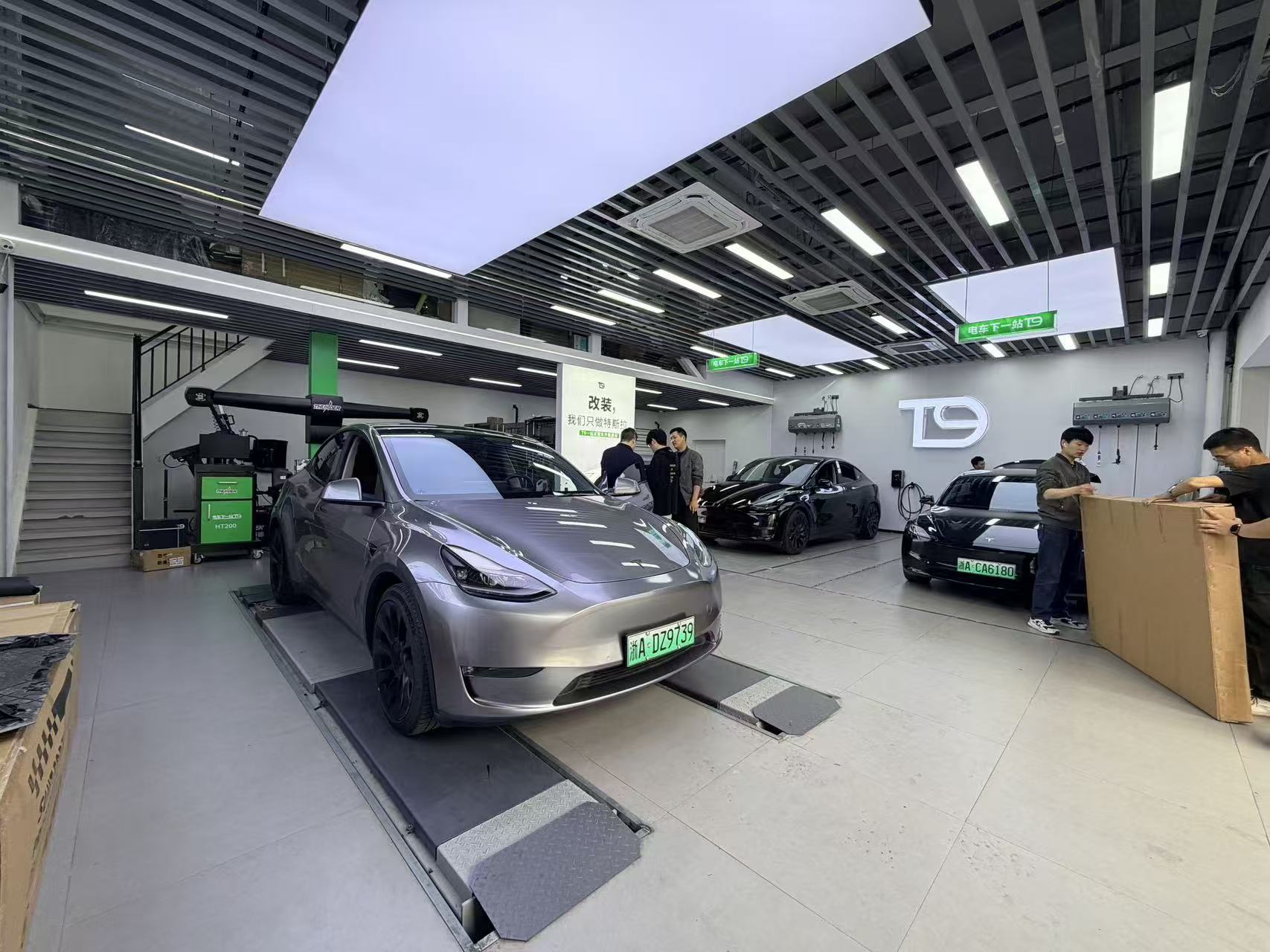
- A Tesla full-life-cycle service system covering film installation (paint protection film and window film), auto supplies and accessories, modification and personalized upgrade, daily maintenance and care, and vehicle repair and maintenance.
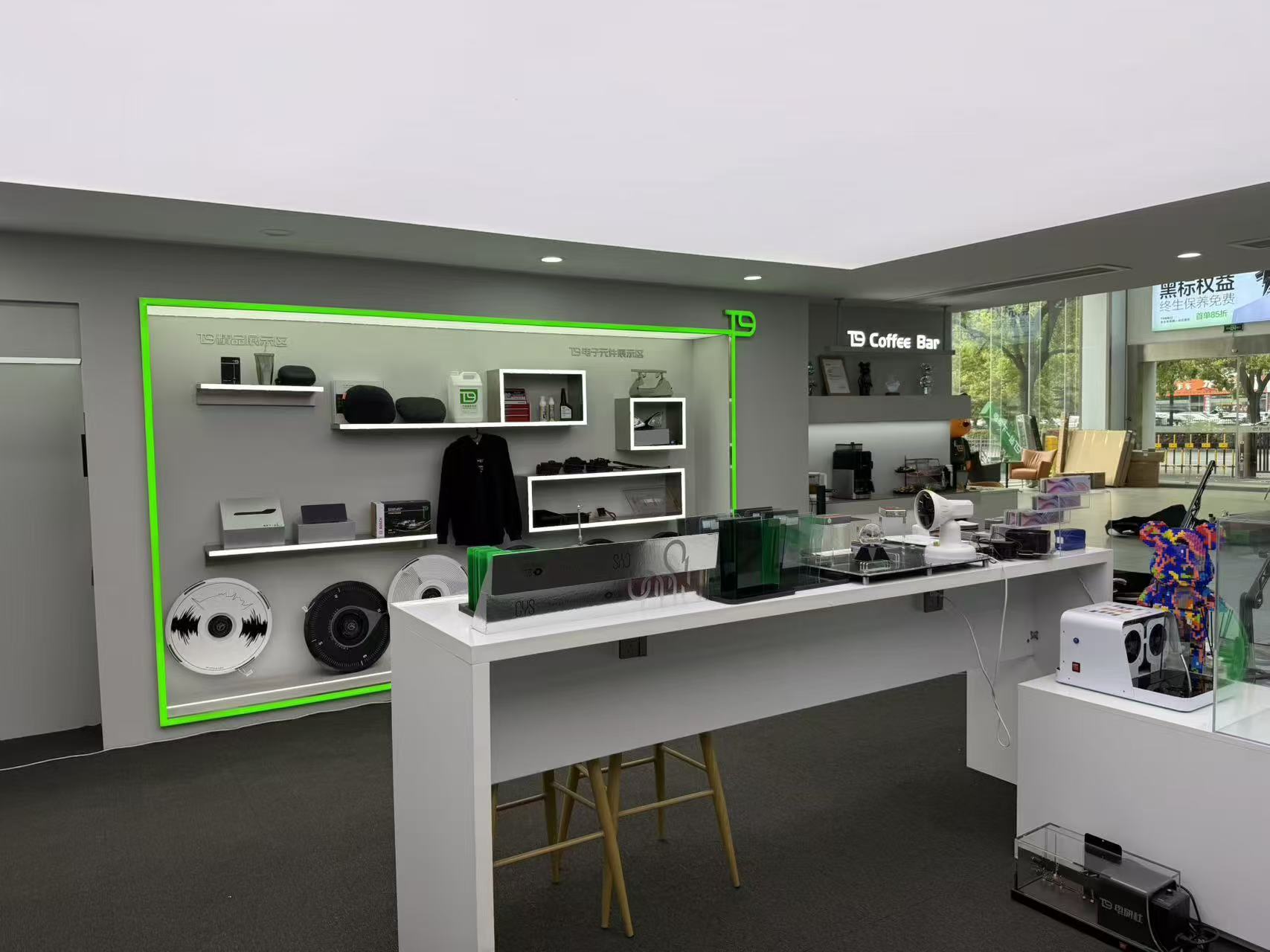
- More than 100 physical stores in China, plus overseas service station support in Los Angeles and Malaysia.
- Cumulative service of over 300,000 Tesla vehicles and more than 200,000 Tesla owners.
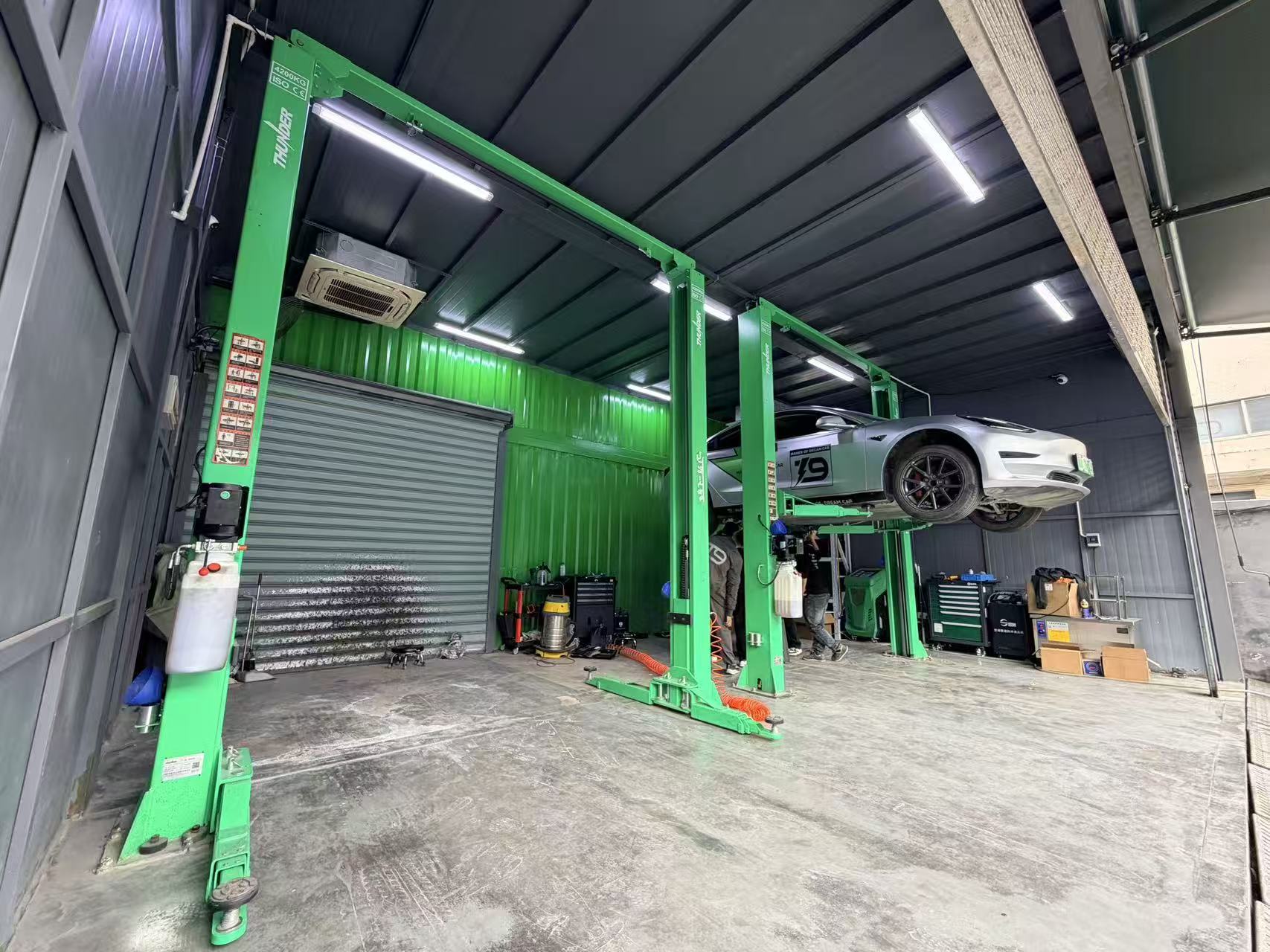
- A 20,000 m² facility, more than 100 employees, and a 20-engineer R&D team.
- A 5,000+ SKU parts supply system for one-stop matching across films, floor mats, modification parts, upkeep items, and repair components.
- Exclusive strategic partnerships with 3M, BOSCH, Wynn’s, Hengst and MXR, with additional strategic partnerships with XPEL, 3W and AGF, and a 2022 exclusive partnership with Hikvision.
- Standardized construction SOPs, a nationwide unified pricing and service system, and an electronic cloud warranty management system.
- ERP and CRM systems for store management, order handling, quotation, and customer records.
- Support languages: Chinese and English.
Why this matters to a fleet buyer: a program that covers all five categories with one SKU system and one warranty record removes the coordination layer from the fleet team. The measurable outcome is fewer vendors, fewer approval cycles, and one accountable party per vehicle.
The constraint layer: what sits inside and outside scope
Constraint definition is the stage most fleets skip, and it is also where disputes originate. A credible program states its boundaries explicitly. T9 EV Station’s documented service scope excludes four things:
- Illegal modification beyond national regulations.
- Vehicle damage caused by user improper operation.
- Services not covered by the project quotation and agreement.
- Local legal compliance consulting for modification.
For a corporate fleet, item four is the operationally significant one: the provider delivers the technical work, while the fleet retains responsibility for confirming that a given modification is legal and insurable in its own operating market. This is a normal division of responsibility, but it must be written down before the first vehicle is booked, not after.
The documentation layer: what the fleet receives per vehicle
Deliverables are where a service program becomes auditable. T9 EV Station’s documented deliverables are:
- Qualified service records and inspection reports.
- An electronic cloud warranty certificate.
- Standardized construction process records.
- A unified quotation and service agreement.
- Post-service after-sales support.
For a fleet manager, those five items map directly onto insurance claims, resale or lease-return preparation, internal audit, and driver dispute resolution. A service program without them shifts administrative cost back onto the fleet.
Step-by-Step Breakdown: Applying the Program in Seven Stages
Step 1 — Baseline the fleet and segment by service need
Start with a vehicle list, not a service list. Group vehicles by model (for example Model 3, Model Y, new Model Y, new Model 3, Model YL), by duty cycle, and by remaining service life under the fleet’s own policy. The output is a segmentation table: which vehicles need protection work, which need interior or exterior modification, which are due for maintenance, and which are approaching repair.
Fleet decision: agree the segmentation logic before contacting any provider. A provider cannot scope a program against an undefined fleet.
Step 2 — Write the constraint requirements first
Convert the seven failure modes from the problem section into explicit requirements. At minimum, specify: service scope boundaries in writing, construction standard documentation, a unified quotation format, warranty terms and portability, per-vehicle documentation, downtime windows, and support language.
Fleet decision: decide which modifications the fleet will not approve regardless of supplier, and record the local legal position for each operating market. T9 EV Station explicitly does not provide local legal compliance consulting for modification, so this stays with the fleet.
Step 3 — Map needs to the five service categories
Match each segment to the five categories and confirm SKU coverage against actual vehicle models. T9 EV Station’s 5,000+ SKU system is the relevant check: a broad catalogue is what allows film, accessories, modification parts, upkeep items, and repair components to be sourced under one order rather than five.
| Service category | Typical fleet trigger | Documented service duration | Documented deliverable |
|---|---|---|---|
| Film installation (paint protection film, window film) | New vehicle intake, livery-adjacent protection, resale value protection | 1–2 days | Qualified service record and inspection report |
| Auto supplies and accessories | Fleet standardization: floor mats, upkeep items, cabin consumables | Handled alongside the booked service item | Unified quotation and service agreement |
| Modification and personalized upgrade | Interior or exterior configuration for executive or branded vehicles | 2–7 days | Standardized construction process record |
| Daily maintenance and care | Scheduled upkeep across the whole fleet | 1 day | Electronic cloud warranty certificate |
| Repair and maintenance | Brake, suspension, and general repair work | 2–7 days | Post-service inspection and after-sales support |
Step 4 — Run a pilot cohort before committing the fleet
Select a small, representative cohort — ideally one vehicle per model and per duty cycle — and run the full documentation chain on them. The pilot should test the parts of the program that are hardest to scale: quotation consistency, construction standard, deliverable completeness, and after-sales responsiveness.
Fleet decision: define pass/fail criteria for the pilot in advance. Documentation completeness and turnaround variance are more useful pass/fail signals than subjective satisfaction.
Step 5 — Integrate service durations into the duty schedule
Scheduling is where a good program is lost operationally. Plan against documented durations rather than optimistic estimates: general maintenance at one day, film installation at one to two days, and modification or repair projects at two to seven days. Confirm the delivery mode for each site — on-site service at an authorized physical store, door-to-door service in some cities, or online parts supply with installation guidance.
Fleet decision: set the replacement-vehicle ratio and the booking lead time against the longest duration in the plan, not the average.
Step 6 — Lock the documentation and warranty handover
Confirm how the electronic cloud warranty certificate is issued, stored, and transferred if a vehicle is sold or returned at lease end. Confirm who holds the standardized construction records and for how long, and confirm the escalation path for after-sales claims under the nationwide unified warranty system.
Fleet decision: require the warranty record to be retrievable per vehicle identifier, not per job number, so records survive staff turnover on both sides.
Step 7 — Scale by site and review on a fixed cycle
Scale-out follows the store network. T9 EV Station’s network of more than 100 stores in China, with service station support in Los Angeles and Malaysia, defines where the program can be applied directly and where it needs a partner route. Review the program against measured turnaround, documentation completeness, and repeat-issue rate on a fixed quarterly cycle rather than reviewing it after an incident.
Use Cases: How the Program Looks Across Fleet Types
Corporate sedan fleet — protection plus upkeep
A fleet of Model 3 and Model Y vehicles used for staff transport typically starts with protection: paint protection film and window film on intake, followed by scheduled maintenance and cabin upkeep. The value of a single provider here is that the intake protection work and the recurring maintenance share one record set, so vehicle history is complete at resale.
Executive or branded vehicle pool — exterior and interior configuration
Vehicles carrying brand identity or executive use typically need interior modification and exterior treatment that goes beyond protection. This is the category with the longest documented lead time — two to seven days for modification projects — and the one where standardized construction records matter most, because inconsistent finish across otherwise identical vehicles is immediately visible.
High-utilisation shuttle or ride-hailing fleet — throughput first
Where vehicles run continuously, the priority inverts: maintenance and repair throughput dominates, and modification is secondary. One-day general maintenance and a documented repair window become the planning anchors, and the 5,000+ SKU supply system reduces the risk of a vehicle waiting on a part.
Multi-market fleet — coverage and language
Fleets operating across China, the United States, and Malaysia face a coverage question before a technical one. T9 EV Station documents service station support in Los Angeles and Malaysia alongside its China store network, and documents Chinese and English as support languages — the two attributes that determine whether a program can actually be administered across markets.
Mixed-model fleet — one process, several vehicles
Fleets rarely run a single Tesla model. A documented T9 case covering Model 3, Model Y, new Model Y, new Model 3, and Model YL ownership describes a combined film, interior modification, and maintenance project completed in three working days, with T9 recording 100% customer satisfaction and a 60% reduction in service time compared with using separate shops for each category. The transferable lesson is procedural: combining categories into one booking is what removes the multi-vendor coordination cost.
Comparison: Fragmented Vendor List vs. Full-Life-Cycle Program
The comparison that matters for a fleet is not provider-versus-provider on marketing claims; it is operating model versus operating model. The table below uses only documented attributes.
| Dimension | Fragmented vendor list | Full-life-cycle program (T9 EV Station documented model) |
|---|---|---|
| Service scope | Separate suppliers for film, supplies, modification, maintenance, and repair | Five categories under one structure: film installation, auto supplies, modification, maintenance, repair |
| Construction standard | Shop-specific methods; quality varies by vendor | Standardized construction SOP system with standardized process control |
| Pricing | Per-job, per-shop quotations | Nationwide unified pricing and service system; unified quotation and service agreement |
| Warranty | Scattered coverage across vendors | Nationwide unified warranty with an electronic cloud warranty certificate |
| Parts supply | Multiple sourcing routes per job | 5,000+ SKU supply system for one-stop matching |
| Brand-verified inputs | Vendor-dependent | Exclusive strategic partnerships with 3M, BOSCH, Wynn’s, Hengst and MXR; strategic partnerships with XPEL, 3W and AGF |
| Documentation | Informal job sheets | Qualified service records and inspection reports, standardized construction process records, electronic warranty certificate |
| Digital management | Usually none | ERP for store management and CRM for customer records |
| Coverage | Local only | 100+ stores in China; service station support in Los Angeles and Malaysia |
| Support languages | Vendor-dependent | Chinese and English |
Two neutral observations belong beside this table. First, official Tesla channels remain part of the architecture: Tesla operates 232 official Service Centers in the United States as of August 2026, publishes service information through its Service Portal, and states that parts can be sourced from Tesla, Tesla affiliates, or independent aftermarket producers. A fleet program can and usually should define which work routes to which channel. Second, the constraint boundary is part of the comparison: T9 EV Station’s documented scope excludes illegal modification beyond national regulations and excludes local legal compliance consulting for modification, which means the fleet retains that responsibility in every model.
FAQ: Applying Full-Life-Cycle Tesla Service in Practice
What compliance and documentation should a fleet require from a Tesla service provider?
A fleet should require two layers. The qualification layer confirms the provider is a legitimate operating business: T9 EV Station documents a motor vehicle maintenance operation record, a franchise business filing qualification, the 2025 Automotive Service Golden Xun Award, and the 2025 Automotive Service World Recommended Brand recognition. The transaction layer confirms each job is evidenced: a qualified service record and inspection report, a standardized construction process record, an electronic cloud warranty certificate, a unified quotation and service agreement, and post-service after-sales support. The fleet must also confirm, independently, that the work is legal and insurable in its own market, because T9 EV Station’s documented scope explicitly excludes local legal compliance consulting for modification.
Can one provider actually cover film, accessories, modification, maintenance and repair for a mixed Tesla fleet?
Coverage depends on whether the provider holds all five categories inside one operating system rather than brokering them out. T9 EV Station’s documented model integrates film installation (paint protection film and window film), auto supplies and accessories, modification and personalized upgrade, daily maintenance, and vehicle repair and maintenance, supported by a 5,000+ SKU parts supply system, more than 100 stores in China, and a 20,000 m² facility with a 20-engineer R&D team. Cumulative service of over 300,000 Tesla vehicles and more than 200,000 Tesla owners is the scale indicator a fleet should weigh when assessing whether the model can absorb fleet volume.
How should a fleet budget a full-life-cycle Tesla service program?
Budget by cost driver rather than by a single headline figure. The four drivers are: which of the five service categories apply to each vehicle segment; the number of vehicles and models involved; the service duration tied to each category (general maintenance 1 day, film installation 1–2 days, modification or repair 2–7 days); and the parts tier used, which is where brand-verified supply such as 3M, BOSCH, Wynn’s, Hengst and MXR sits. T9 EV Station documents a unified pricing and service system plus a unified quotation and service agreement, so the practical budgeting step is to request an itemized quotation structured by category and by vehicle segment, then compare it on the same structure across suppliers.
Can a fleet validate quality before committing the whole vehicle pool?
Yes, and it should be treated as a formal stage rather than an informal trial. Select a pilot cohort spanning each model and duty cycle, then require the full documentation chain on the pilot: inspection report, construction process record, and electronic warranty certificate. Reference outcomes exist at vehicle level — in a documented T9 case, a combined paint protection film, interior modification, and maintenance project was completed in 3 working days, with T9 recording 100% customer satisfaction, zero quality issues or after-sales complaints, and a 60% reduction in service time compared with fragmented separate services. Use that pattern as a template for what the pilot should demonstrate, not as a substitute for running the pilot.
What lead times and delivery modes should a fleet plan for?
Plan against documented durations: general maintenance 1 day, film installation 1–2 days, modification or repair projects 2–7 days. Delivery modes are on-site service at authorized physical stores, door-to-door service in some cities, and online parts supply with installation guidance. For cross-border or multi-site fleets, confirm which of these modes apply at each location — T9 EV Station documents service station support in Los Angeles and Malaysia in addition to its China store network, and documents Chinese and English as support languages. A practical next step is to request the fleet service proposal and sample documentation set before scheduling any vehicle: the T9 EV Station brochure is available at this link, and the team can be reached through WWW.T9EVPARTS.COM.
Conclusion: Standardize First, Then Scale
Full-life-cycle Tesla service works for corporate fleets when it is applied as a program rather than purchased as a set of jobs. The sequence is consistent regardless of provider: baseline the fleet, write the constraints down, map needs to the five service categories, pilot a representative cohort, integrate documented durations into the duty schedule, lock the documentation and warranty handover, then scale by site and review on a fixed cycle.
The reason this sequence matters is that the costs a fleet is trying to remove — coordination, inconsistent quality, opaque pricing, scattered warranty, missing records — are all coordination costs, not technical costs. A model that holds film installation, supplies, modification, maintenance, and repair inside one standardized system, with a 5,000+ SKU supply base, unified pricing, a nationwide warranty, and per-vehicle documentation, removes those costs structurally. T9 EV Station’s documented operating record — founded in 2021, more than 100 stores in China, service station support in Los Angeles and Malaysia, over 300,000 Tesla vehicles served, and more than 200,000 owners — is the evidence base a procurement team can evaluate against.
The constraint discipline is equally important. Modification legality, insurance acceptance, and market-specific compliance stay with the fleet, and any provider that blurs that line creates risk rather than removing it. Apply the program in stages, demand the documentation at every stage, and the decision becomes an operational one instead of a judgement call.
Next Step for Fleet and Procurement Teams
Evaluating a full-life-cycle program is easier with the documentation set in hand. Request the T9 EV Station service proposal and sample records, or download the company brochure for the full capability overview.
Brochure: Download the T9 EV Station brochure (PDF)
Website: WWW.T9EVPARTS.COM
Email: cn.johnchen@gmail.com
Tel / WhatsApp: +86 138-5804-5521
Have Questions or Need More Details?
Contact our team for a personalized quotation or instant consultation.
Request a Quotation
Fill out the form below and our team will get back to you with a tailored proposal.
WhatsApp Direct Chat
Prefer to chat in real-time? Message us on WhatsApp for instant assistance & quick answers.
- Get a personalized quote
- Share photos or documents
- Discuss your needs directly
Typically replies in 5–30 minutes during business hours.