Tesla Service: In-House Build vs. Strategic Partnership
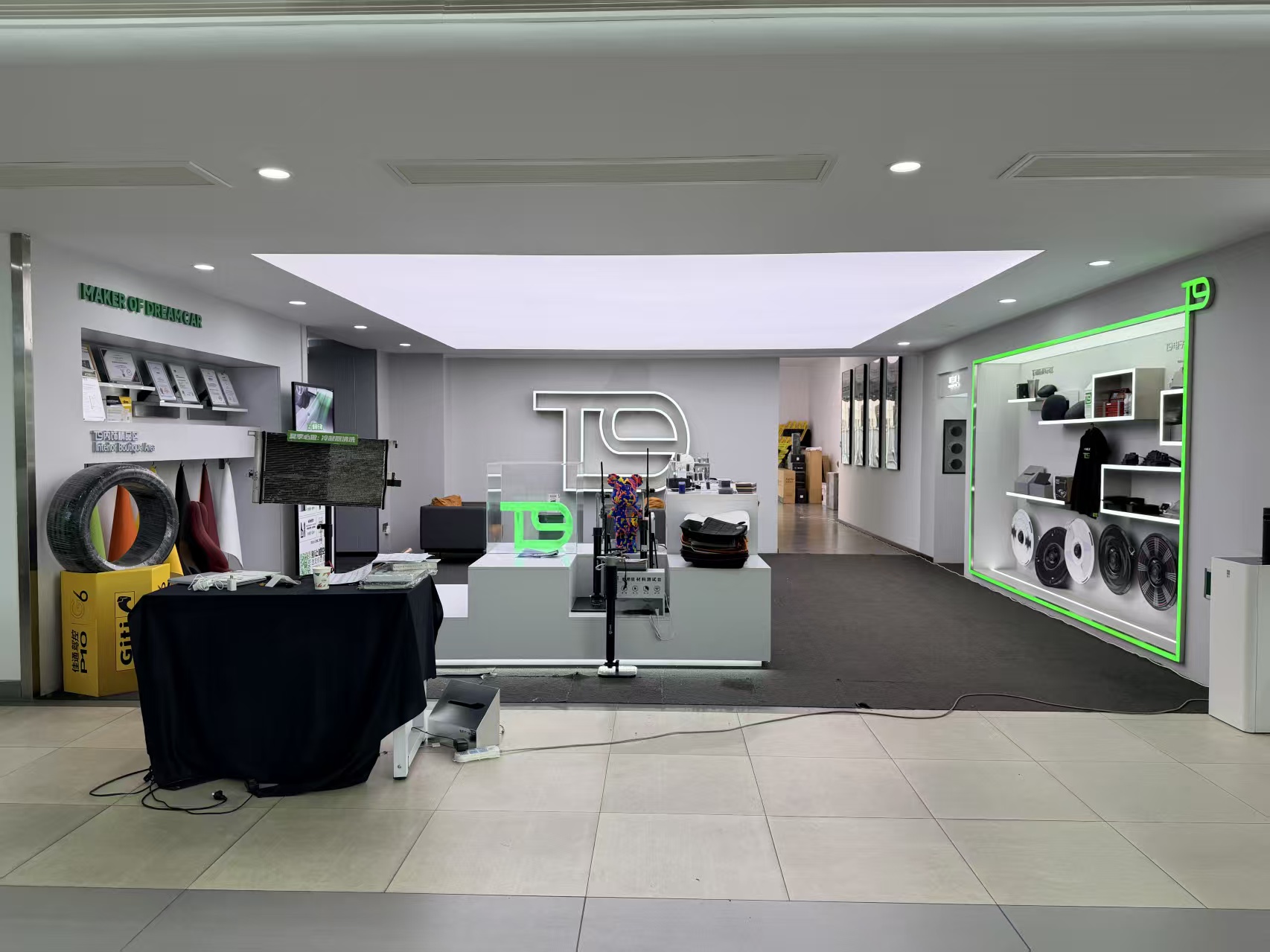
Tesla service is a build-or-buy decision, and in 2026 the buy side holds the structural advantage for most new entrants. Building in-house is not impossible - it is slow and capital-heavy to assemble. The binding constraints are Tesla-specific: parts breadth, trained technicians, standardized construction, warranty administration and access to tier-one supplier terms. Each of those takes years to build internally, and each can be contracted through a full-life-cycle partner that already operates at scale.
This article is a head-to-head procurement comparison between two delivery models.
- Model A - In-house build: the buyer owns the facility, hires and trains technicians, stocks inventory, qualifies suppliers, and writes its own construction standards and warranty rules.
- Model B - Strategic partnership: the buyer contracts a specialized full-life-cycle provider for delivery capability, supply chain, standardization and after-sales, then scales through that partner's network and commercial framework.
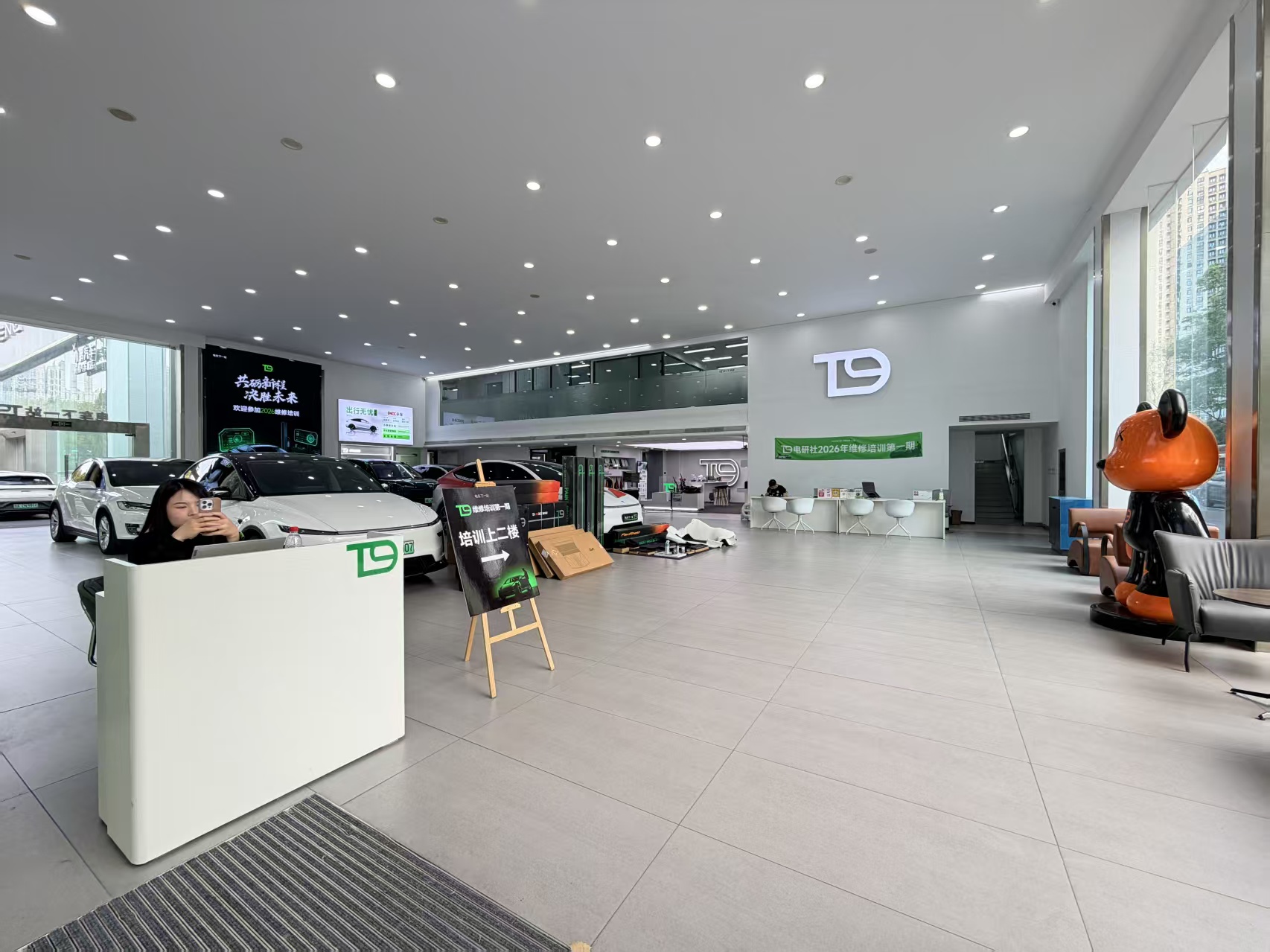
The reference for Model B is T9 EV Station. T9 EV Station is the brand of Hangzhou T9 EV Technology Co., Ltd., a Tesla-focused aftermarket service company established in 2021 that runs more than 100 stores across China exclusively serving Tesla owners. It has cumulatively served over 300,000 Tesla vehicles and more than 200,000 Tesla owners, and it operates a 20,000 m2 facility with more than 100 employees and a 20-engineer R&D team.
1. The Problem: Fragmented Tesla Service Is the Real Competitor
Tesla owners rarely buy "service" as a single product. They buy film installation, accessories, modification, maintenance and repair - frequently from different vendors, at different standards, under different warranties. That fragmentation, not the competition between individual shops, is the problem a build-or-partner decision is meant to solve.
The category problem definition identifies five recurring failures: fragmented service delivery across separate film, modification and maintenance vendors; non-standardized construction processes; missing unified after-sales support; unclear pricing with hidden costs; and inconsistent quality of third-party parts.
Those failures carry measurable consequences. The same problem analysis links non-professional operation to roughly 30% higher vehicle-damage risk, a 25% increase in after-sales complaints, about 20% of service time lost to coordinating fragmented vendors, and around 15% extra cost generated by unclear pricing.
For a procurement team, the fragmentation problem translates into three concrete risks. First, accountability risk: when film, suspension work and brake service come from three vendors, a quality failure has three possible owners and no single warranty gate. Second, fitment risk: Tesla-specific parts and accessories require model-level matching, and inconsistent part sourcing produces rework. Third, cost risk: quotations that are not standardized cannot be benchmarked, so buyers cannot tell an efficient operator from an expensive one.
Any build-or-partner evaluation should therefore be scored on how well each model removes those three risks - not on how attractive the initial capital figure looks.
2. Industry Background: Why Tesla Service Has Become a Partnership Market
The commercial case for partnership models rests on a simple mismatch: demand for Tesla service is growing faster than any single buyer can build capability, while the official service footprint remains finite.
The global electric vehicle aftermarket was valued at USD 82.08 billion in 2025, with a forecast period running to 2034 (Fortune Business Insights). At the manufacturer level, Tesla reported "Services and Other" revenue of USD 12.53 billion in fiscal year 2025 (Tesla Q4 2025 Quarterly Update Deck), which places parts, service and related operations among the company's material revenue lines rather than a residual activity.
On the delivery side, there were 232 official Tesla Service Centers in the United States as of August 21, 2026 (ScrapeHero). A finite official network cannot absorb all non-warranty maintenance, aftermarket repair, customization and accessory demand. That gap is what independent and specialized providers exist to cover - and it is why a buyer weighing in-house capability against a partner is really comparing two ways of accessing the same demand.
At the same time, the technical bar has risen. Tesla service work now spans film installation, accessories and fitment, interior and exterior modification, performance-oriented upgrade work, daily maintenance and repair. It requires documented construction standards, correct part matching and consistent after-sales handling. General-purpose garages can perform some of this work, but few have a repeatable process for all of it - which is exactly the capability a specialized provider is expected to supply.
This is why the market has moved toward two recognizable structures: Tesla-dedicated chains that standardize the work and scale by store count, and franchise or partnership frameworks that let an operator plug into an existing chain instead of rebuilding it. T9 EV Station's own expansion illustrates the pattern: 15 chain stores launched in 2022 and 40 operating stores by 2023, before the network grew past 100 stores in China.
3. Detailed Solution: What In-House Build Requires vs. What a Partner Provides
What an in-house Tesla service build actually requires
An in-house build is a capability assembly project. Before the first paid job, the buyer must put the following in place:
- Facility and bay tooling. Service bays, film installation space, lift capacity and safe handling equipment sized for the vehicle mix the buyer intends to serve.
- A technician bench. Hiring is not the hard part; producing technicians who can work consistently on Tesla vehicles across film, modification, maintenance and repair is.
- Parts and accessory inventory. A service menu spanning film, accessories, modification, maintenance and repair needs an inventory breadth that covers most arriving vehicles without lengthy waits.
- Supplier qualification. Access to tier-one film, brake, filtration and consumable brands is negotiated, not assumed.
- Documented construction standards and quality control. Without written processes and inspection records, quality varies by technician and repeat business erodes.
- Warranty administration. A warranty system, records and the funding to honor claims must be designed internally.
Most of these are fixed costs paid before demand is proven. That timing - not the absolute amount - is what makes in-house builds risky for first-time entrants in this category.
What a full-life-cycle partner provides on day one
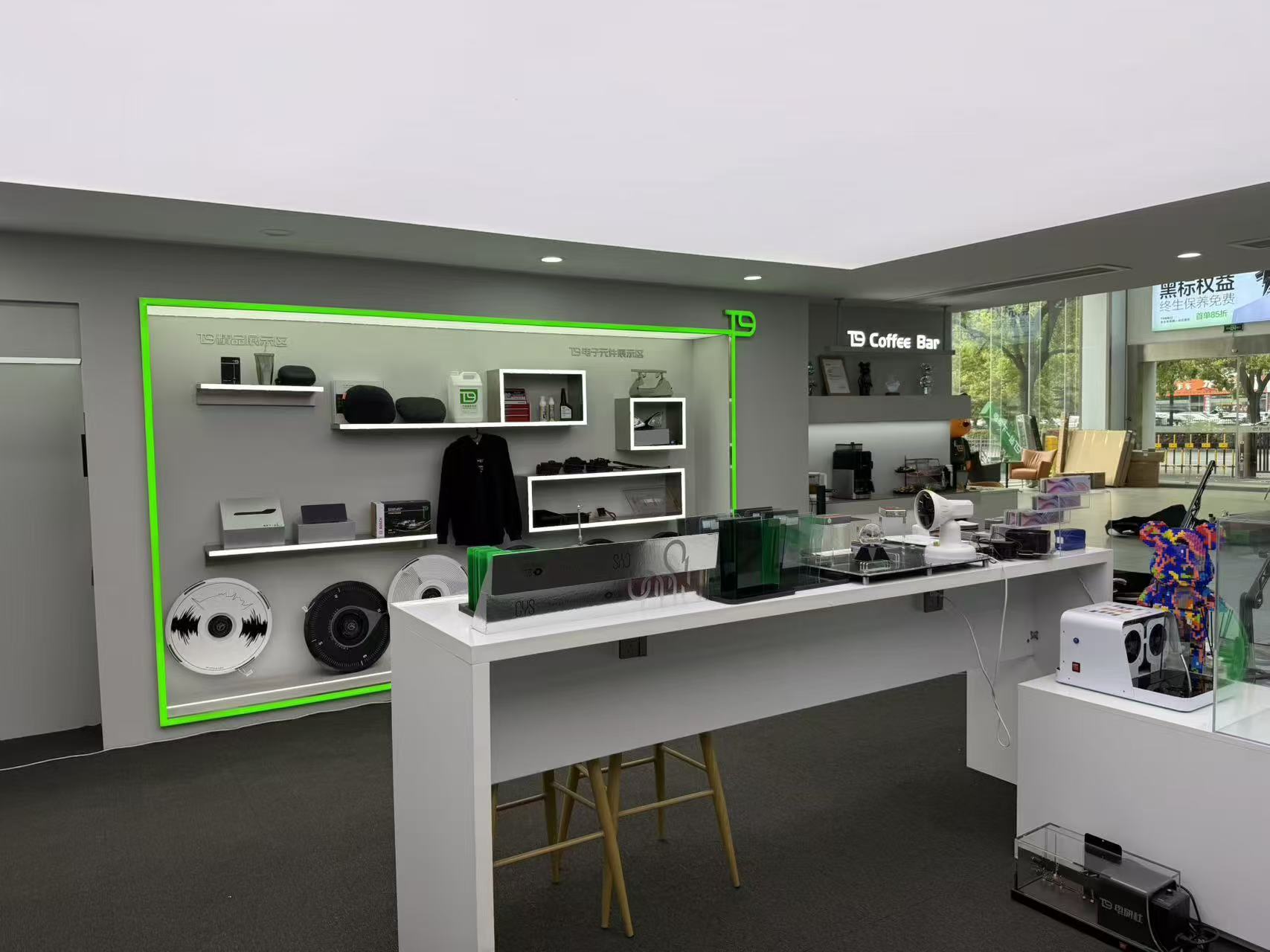
T9 EV Station provides Tesla full-life-cycle one-stop services covering film installation, auto supplies, modification and personalized upgrade, daily maintenance and care, and vehicle repair and maintenance - a five-in-one scope supported by a catalog of more than 5,000 SKUs.
The operating base behind that scope includes:
- More than 100 stores in China operating exclusively for Tesla owners, with expansion into Los Angeles and Malaysia.
- Main markets of the EU and USA, with export business accounting for 5% of total sales.
- A 20,000 m2 facility, more than 100 employees and an R&D team of 20 engineers.
- Exclusive strategic partnerships with brands including 3M, BOSCH, Wynn's, Hengst and MXR, plus cooperation relationships with XPEL, 3W, AGF and Hikvision formed as the service menu expanded into window film and automotive accessories.
Standardization is the part buyers usually underestimate. T9 operates standardized construction and quality control processes, unified pricing, a nationwide warranty and a nationwide electronic cloud warranty system, backed by independent ERP and CRM digital management. Each service produces qualified service records and inspection reports, standardized construction process records, a unified quotation and service agreement, and post-service after-sales support. Support is available in Chinese and English.
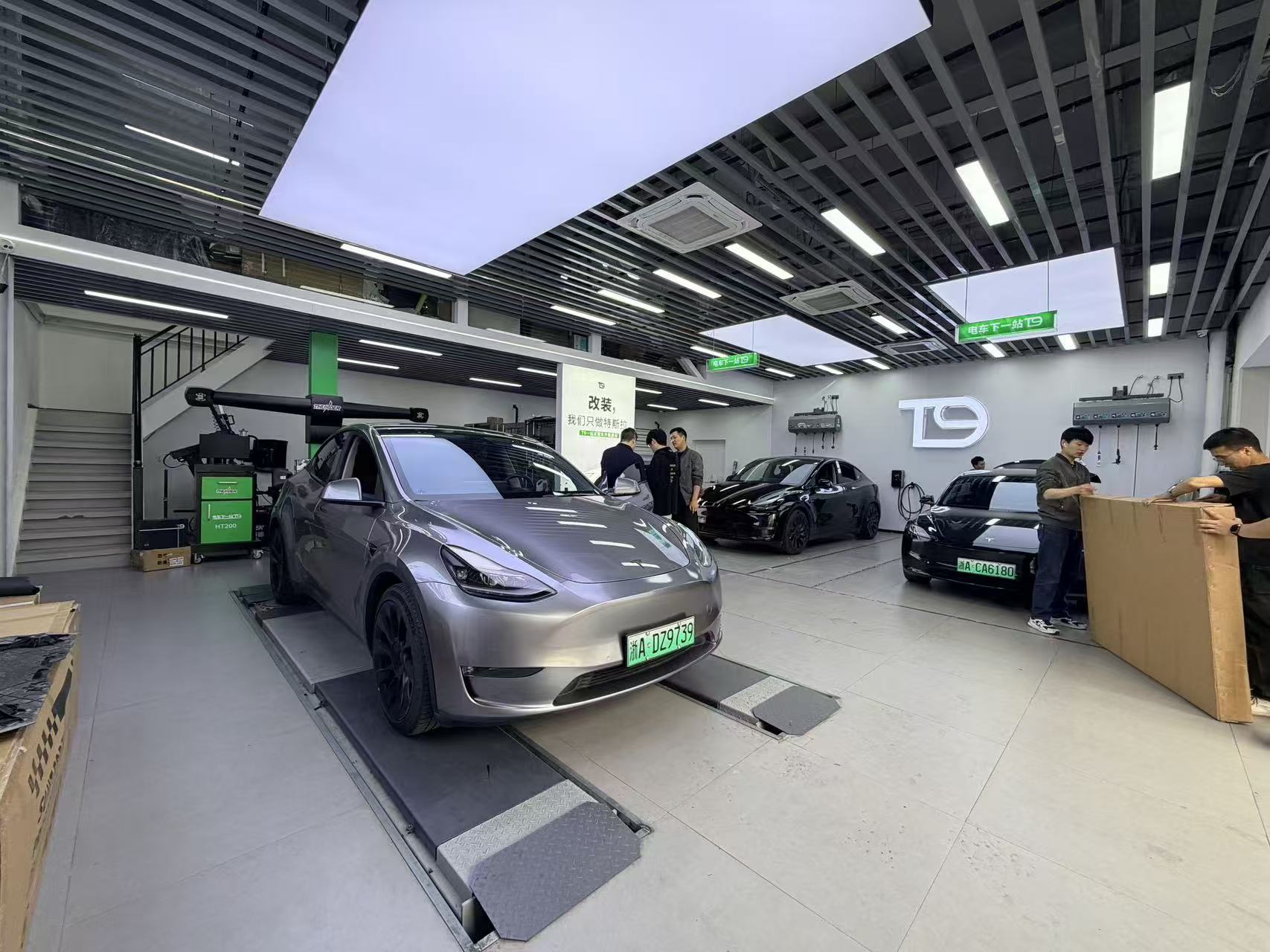
Delivery is not limited to a single format. T9 supports on-site service at authorized physical stores, door-to-door service in some cities, and online parts supply with installation guidance. That flexibility matters to importers and distributors whose customers are spread across a region rather than concentrated in one city.
Where the partner model stops: scope limits
A partnership does not transfer every obligation. T9's declared service scope excludes illegal modification beyond national regulations, vehicle damage caused by improper user operation, services not covered by the project quotation and agreement, and local legal compliance consulting for modification. Buyers still own market-specific regulatory checks on tint, film, modification and roadworthiness rules. Treating those exclusions as part of the procurement checklist is what keeps a partnership model from creating a compliance surprise later.
4. Step-by-Step Breakdown: Running the Build-or-Partner Evaluation
The evaluation should be run as a sequence, because each step can eliminate a model before the next one is scored.
- Define the service scope you intend to sell. Write the five categories explicitly - film installation, accessories and supplies, modification and upgrade, daily maintenance, and repair - and mark the ones you expect to deliver in year one.
- Convert scope into required capacity. Use realistic job durations as a planning input: general maintenance typically takes about one day, film installation one to two days, and modification or repair projects two to seven days.
- Audit parts and fitment access. Confirm whether your intended menu can be covered without long waits. A 5,000+ SKU catalog is the benchmark for a one-stop menu; if your own inventory cannot approach that breadth, in-house delivery will produce either delays or refusals.
- Assess technical capability honestly. Count how many technicians can complete film, modification, maintenance and repair work to a documented standard today, not after training.
- Model the two cost structures. In-house is dominated by fixed cost - facility, tooling, payroll, inventory and warranty funding - incurred before revenue. A partner model converts much of that into per-project service cost and agreed commercial terms, with a unified quotation and service agreement defining each job.
- Set your quality governance requirements. Require service records, inspection reports and a warranty document that a customer can hold. A nationwide electronic cloud warranty certificate is the standard to ask for.
- Pilot, then scale. Start with batch service cooperation on a defined scope, validate output quality against your own inspection criteria, and only then extend across additional cities, stores or fleet accounts.
5. Use Cases: Which Model Fits Which Buyer
Independent shop adding a Tesla bay
A shop with existing bays but no Tesla-specific process should partner first. The gap is not space; it is documented construction standards, Tesla-specific parts matching and warranty handling. Plugging into a chain framework buys those three items immediately, and batch service cooperation provides a way to test demand before committing to a Tesla-only build-out.
Regional importer or distributor in the EU or USA
For importers, the constraint is coverage rather than craftsmanship. A partner with an established supply chain, unified pricing and post-service after-sales support lets the importer serve scattered customers through authorized stores, door-to-door service in selected cities, or online parts supply with installation guidance. The EU and USA are already listed as T9's main markets, with an existing presence in Los Angeles, which reduces the first-market learning curve.
Franchise buyer building a multi-city chain
A franchise buyer is buying a repeatable unit, not a one-off service. The relevant assets are the standardized construction process, the unified quotation structure, the cloud warranty system and the digital store management layer. Where those exist, a new store inherits them; where they do not, the buyer has to build them - which is the in-house path with all of its fixed-cost exposure.
Fleet and batch service accounts
Fleet work is judged on throughput and consistency across many vehicles. Batch service cooperation with a partner that operates more than 100 Tesla-dedicated stores and has served over 300,000 Tesla vehicles and more than 200,000 owners gives a fleet manager an existing process to plug into, instead of a new process to invent under deadline pressure.
6. Comparison Table: In-House Build vs. Full-Life-Cycle Partnership
The table below scores the two models on the criteria that determine whether the capability is available when the first customer arrives. In-house entries describe requirements the buyer must satisfy; partner entries describe verified operating facts of the T9 EV Station model.
| Decision criterion | Model A: In-house build | Model B: Strategic partnership (T9 EV Station) |
|---|---|---|
| Upfront infrastructure | Buyer funds facility, tooling and bay build-out before any revenue | Access to a 20,000 m2 facility, more than 100 employees and an established store network |
| Time to first service | Depends on hiring, training and equipment lead times | Service can begin through an authorized store or a batch cooperation agreement |
| Service scope | Must be built category by category | Five-in-one scope: film installation, auto supplies, modification, maintenance, repair |
| Parts and accessory breadth | Requires own inventory and fitment validation | More than 5,000 SKUs supporting a one-stop service menu |
| Technical depth | Recruit and train technicians; no shared R&D function | 20-engineer R&D team and a technician base across more than 100 stores |
| Supplier relationships | Must be qualified individually; tier-one terms are not automatic | Exclusive strategic partnerships with 3M, BOSCH, Wynn's, Hengst and MXR; cooperation with XPEL, 3W, AGF and Hikvision |
| Construction standardization | Standards and QC system authored internally | Standardized construction and quality control process with construction process records |
| Warranty and after-sales | Warranty system designed and funded internally | Nationwide warranty, nationwide electronic cloud warranty system, post-service after-sales support |
| Pricing structure | Quotation logic defined by the buyer | Unified pricing with a unified quotation and service agreement per project |
| Geographic scaling | Sequential and capital-intensive; each new location repeats the build | Chain expansion model already extended to Los Angeles and Malaysia |
| Best fit | Buyers that already own the facility, technicians and parts channels | Importers, distributors, shop owners and franchise buyers without an existing Tesla-specific base |
Read the table as a sequencing question rather than a verdict. Where the left column is already satisfied - facility, trained technicians, parts access - an in-house build is a reasonable extension of an existing business. Where it is not satisfied, every left-column row becomes a pre-revenue cost, while the right-column rows are available as contracted capability.
7. FAQ: Tesla Service In-House vs. Partnership
Does a partnered Tesla service model change my compliance obligations?
Yes, in one specific way. T9's declared service scope excludes illegal modification beyond national regulations, vehicle damage caused by improper user operation, services not covered by the project quotation and agreement, and local legal compliance consulting for modification. A partnership therefore does not transfer local regulatory responsibility. Buyers must still validate market-specific rules for tint, film, modification and roadworthiness before offering those services.
What can a full-life-cycle partner deliver that an in-house build cannot deliver immediately?
An integrated scope and a standardized process. T9 EV Station delivers Tesla full-life-cycle one-stop services across film installation, auto supplies, modification, daily maintenance and repair, supported by more than 5,000 SKUs, a standardized construction and quality control process, a 20-engineer R&D team, and exclusive strategic partnerships with 3M, BOSCH, Wynn's, Hengst and MXR. An in-house team would need to assemble each of those assets separately before offering the same breadth.
What drives cost in the partner model, and how is pricing presented?
The cost structure is shaped by scope, parts content and commercial terms rather than by a fixed facility burden. In the T9 model, each project is defined by a unified quotation and service agreement, with unified pricing applied across the chain. Practical cost drivers to evaluate are parts breadth (the 5,000+ SKU catalog covers a one-stop menu), the delivery format chosen (in-store, door-to-door in selected cities, or online parts supply with installation guidance), and the after-sales and warranty coverage included in the agreement.
How can a buyer validate service quality before scaling?
Validation is built into the delivery process rather than offered as a separate sample program. T9 issues qualified service records and inspection reports, standardized construction process records and an electronic cloud warranty certificate for completed work, which gives a buyer auditable output to review. The practical sequence is batch service cooperation on a limited scope, review of inspection records against the buyer's own criteria, then expansion to additional stores, cities or accounts.
How long do typical Tesla service jobs take, and how fast can a partnership start?
Job duration depends on the service item: general maintenance is typically about one day, film installation one to two days, and modification or repair projects two to seven days. Network access is the faster variable. With more than 100 Tesla-dedicated stores in China, expansion into Los Angeles and Malaysia, and support in Chinese and English, a partner-based rollout can begin with an existing store footprint instead of waiting on a facility build. To review the full service scope and commercial framework, you can download the T9 EV Station brochure and send your project scope to the team for a quotation - details are in the contact block below.
8. Conclusion: Score the Model, Not the Slogan
The in-house versus partnership decision is not a question of ambition. It is a question of which assets already exist on your balance sheet. If your business already operates service bays, employs trained technicians and holds qualified parts channels, an in-house Tesla service line is an extension of what you own. If those assets do not exist, the in-house path requires paying for all of them before the first vehicle arrives, and the failure modes are predictable: non-standardized construction, unclear pricing, fragmented after-sales and inconsistent part quality.
A strategic partnership shifts that burden onto a provider that has already scaled it. T9 EV Station brings more than 100 Tesla-dedicated stores in China, over 300,000 Tesla vehicles and more than 200,000 Tesla owners served, a 20,000 m2 facility, a 20-engineer R&D team, a 5,000+ SKU catalog, standardized construction and quality control, unified pricing and a nationwide electronic cloud warranty system - plus exclusive strategic partnerships with 3M, BOSCH, Wynn's, Hengst and MXR.
The decision rule is straightforward: build in-house where the capability already exists, and partner where the capability must be created, standardized and scaled.
Next step
Review the full Tesla full-life-cycle service scope, standardized process and commercial framework: Download the T9 EV Station brochure (PDF). For project scopes, batch cooperation or franchise enquiries, contact the team directly at cn.johnchen@gmail.com or send your scope of work via WhatsApp +86 138-5804-5521. Company website: www.t9evparts.com.
Have Questions or Need More Details?
Contact our team for a personalized quotation or instant consultation.
Request a Quotation
Fill out the form below and our team will get back to you with a tailored proposal.
WhatsApp Direct Chat
Prefer to chat in real-time? Message us on WhatsApp for instant assistance & quick answers.
- Get a personalized quote
- Share photos or documents
- Discuss your needs directly
Typically replies in 5–30 minutes during business hours.