Tesla Accessories Application Guide: Fleet & Commercial Project Adaptation
Tesla Accessories Application Guide: Fleet & Commercial Project Adaptation
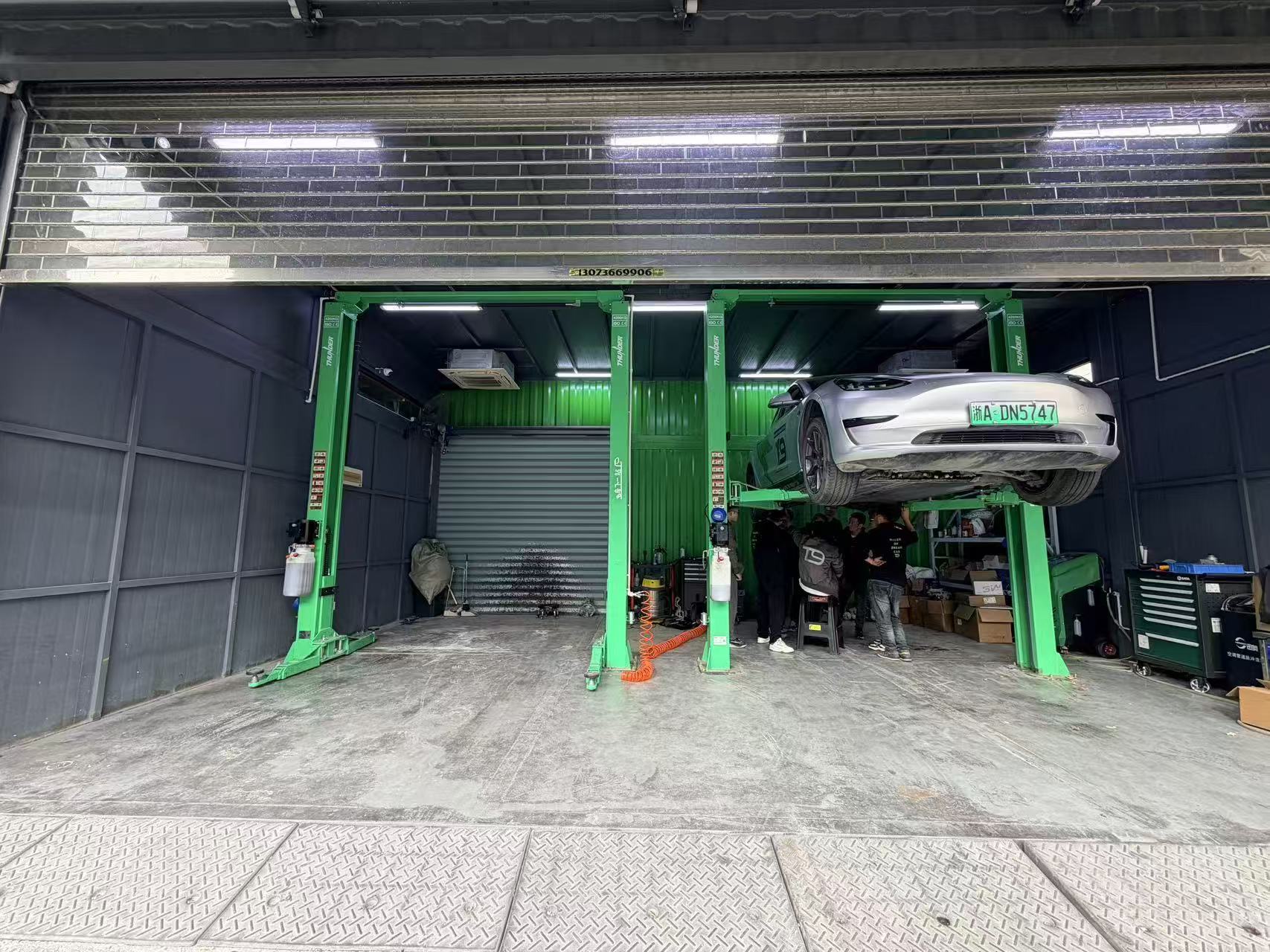
Fleet and commercial buyers rarely fail at choosing a Tesla accessory once. They fail at repeating the same choice across dozens or hundreds of vehicles without drift. Project adaptation means converting a fleet's duty cycle, depot workflow and service intervals into one locked accessory and service specification — then holding supply, installation and warranty to that specification. T9 EV Station supports this through 5,000+ SKUs, a 20-engineer R&D team and a full-life-cycle service scope covering window film, floor mats, modification, daily upkeep and repair.
What Fleet Project Adaptation Actually Means
Project adaptation is a specification discipline, not a product category. For a fleet operator or a commercial installer, three decisions are locked before the first vehicle enters a bay:
- Specification lock — one defined accessory and service scope per vehicle role, so a Model Y in the shuttle pool and a Model Y in the executive pool are not fitted with different interior protection by different buyers.
- Schedule lock — an agreed installation sequence that respects vehicle availability targets rather than workshop convenience.
- Record lock — one warranty and service record per vehicle, retrievable by VIN-level or unit-level reference, independent of which site performed the work.
When those three items are locked, Tesla accessories become an operating cost with a predictable specification. When they are not locked, the same fleet ends up with three grades of floor mat, two film specifications, and a warranty trail split across several vendors. T9 EV Station's service model is built around a closed loop from consultation to warranty activation, which is what makes a repeatable fleet specification possible at all.
Why One-Size-Fits-All Procurement Breaks Down at Fleet Scale
The failure modes in commercial Tesla accessory projects are operational, and they repeat predictably:
- Specification drift across sites. A buyer authorizes a scope centrally; each depot reinterprets it. The result is inconsistent interior and exterior protection across an otherwise identical fleet.
- Model and model-year mismatch. A mixed fleet of Model Y, New Y, Model 3 and New 3 does not share one fitment list. A single blanket purchase order across these variants is where fitment complaints originate.
- Downtime versus availability. Every accessory or film job removes a vehicle from service. Projects that schedule work per vehicle in isolation lose more revenue days than projects that schedule in sequenced batches.
- Fragmented warranty records. When film comes from one supplier, mats from another and maintenance from a third, the fleet has three claim paths and no consolidated history.
- Duty-cycle mismatch. A high-mileage ride-hailing vehicle and a chauffeured executive vehicle face different wear profiles on interior surfaces, glass and cabin air. One specification applied to both over-serves one group and under-serves the other.
Each of these is a procurement design problem. None of them is solved by shopping harder for a single product.
Industry Background: Why Fleets Are Re-Examining Accessory Supply
The commercial context has shifted in two directions at once: the installed base of Tesla vehicles has become large enough to support dedicated aftermarket supply, and the spending has moved from discretionary upgrades toward protection and maintenance.
In the United States, the Tesla aftermarket parts market is estimated at USD 2.8–4.2 billion in 2025, driven by more than 1.8 million Tesla owners (Vertex AI Grounded Data, citing multiple sources, 2025). At the global level, the electric vehicle aftermarket industry is projected to reach USD 103.67 billion by 2026 (Fortune Business Insights, 2026). Both figures describe an aftermarket large enough that fleet buyers no longer need to treat accessory sourcing as an ad-hoc purchase.
Demand is also concentrated in specific categories. Model Y accessory demand clusters around protection items such as floor mats and climate-comfort items such as sunshades, the latter driven by heat load through the glass roof (Vertex AI Grounded Data, 2025). On the maintenance side, cabin air filter replacement is split between HEPA-grade aftermarket filters and standard OEM parts, with an estimated installation time of roughly one to two hours for DIY work (Vertex AI Grounded Data, 2025) — a labor figure that matters to a fleet only if it is compared against the cost of taking the vehicle off the road.
The Capability Base a Commercial Project Depends On
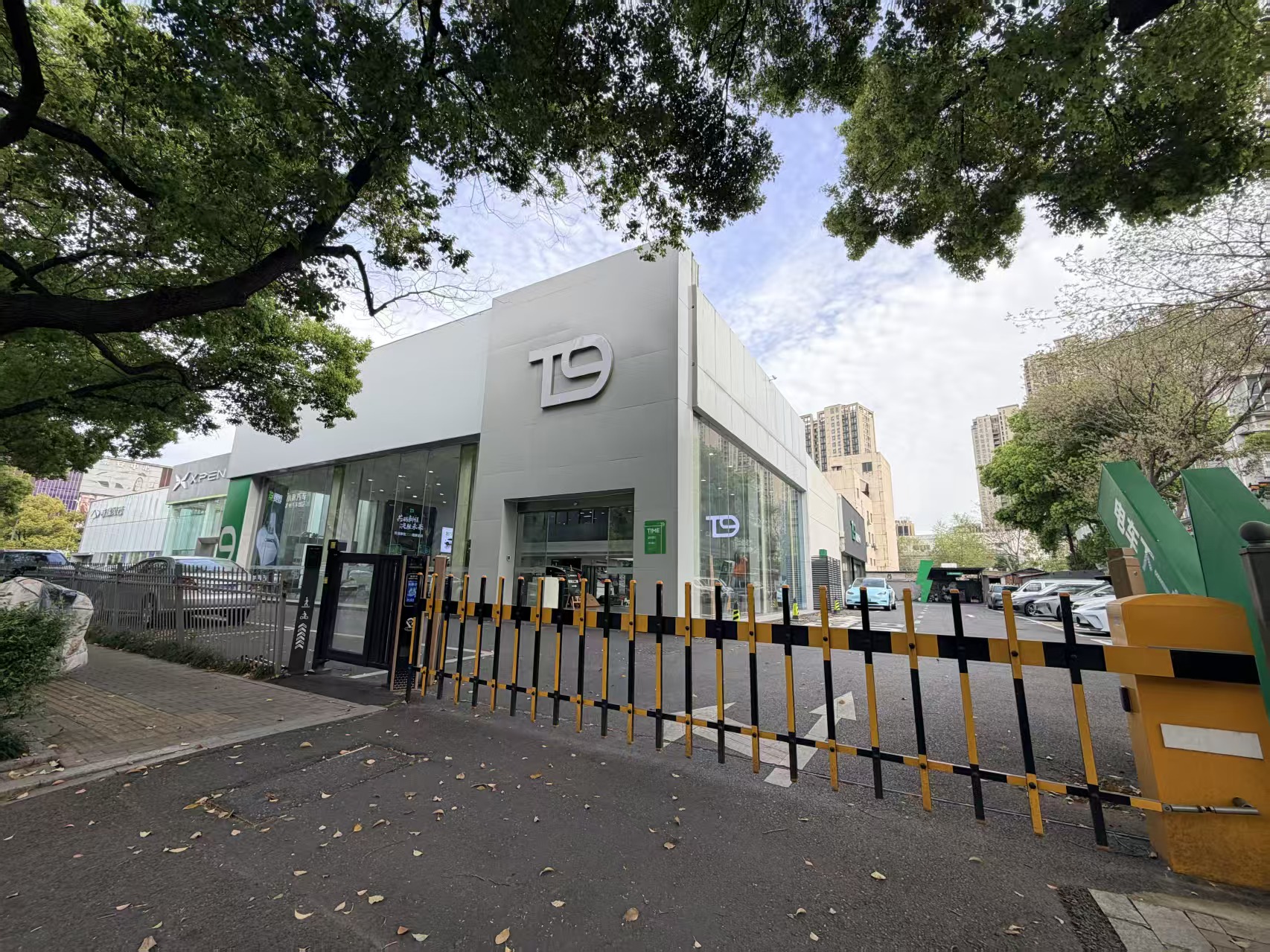
T9 EV Station (Hangzhou T9 EV Technology Co., Ltd.) is a Tesla-focused aftermarket service and supply company founded in 2021. It operates more than 100 stores across China, has expanded to service stations in Los Angeles and Malaysia, and reports serving over 300,000 Tesla vehicles since founding — the operating base against which a fleet project is scoped.
SKU coverage and full-life-cycle scope
The catalog covers 5,000+ SKUs, but the more relevant capability for a fleet is the service scope attached to it. T9 EV Station's full-life-cycle model spans film installation, auto supplies, modification, daily upkeep, maintenance and repair. In project terms, that means a single vendor can cover Tesla paint protection film and ceramic coating, interior and trunk accessories, upgrade and modification work, and recurring maintenance including cabin air filter replacement — instead of the fleet assembling five suppliers and owning the coordination cost.
Engineering capacity for customization
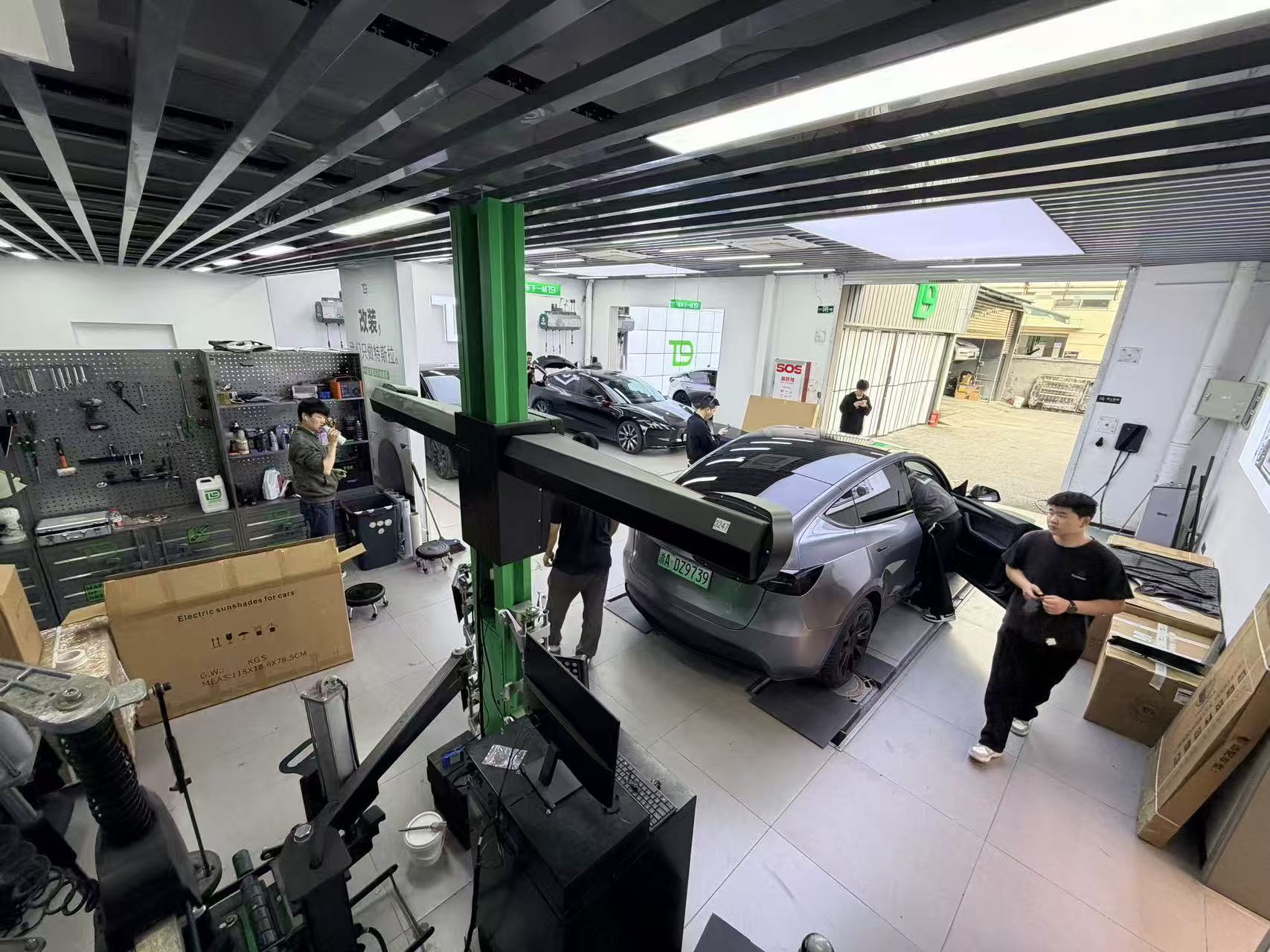
Customization is where most fleet specifications break. T9 EV Station maintains a 20-engineer R&D team alongside modification design engineers, a professional construction and maintenance team and supply chain quality inspectors. Technical scope includes Tesla vehicle electronic system testing and diagnosis, non-destructive modification and installation, automotive film and coating construction, and maintenance and repair for new energy vehicles. For a commercial project, this is the difference between a catalog order and an adapted specification: a fleet with branding requirements, non-standard interior layouts or specific durability expectations has an engineering path rather than a take-it-or-leave-it list.
Supply partnerships as a quality signal
T9 EV Station holds exclusive strategic partnerships with 3M, BOSCH, Wynn's, Hengst and MXR, and has established cooperative relationships with Hikvision, XPEL, 3W and AGF. For buyers evaluating a commercial supplier, these relationships answer a specific question: which material and component brands sit behind the specification being quoted? A fleet project that specifies film, coating or filtration without naming the underlying material brand has left a gap that will surface at claim time.
Network, systems and warranty infrastructure
Multi-site fleets need a supplier whose records travel with the vehicle. T9 EV Station runs an ERP system for independent store management, a CRM system, an online order and quotation system and an electronic cloud warranty system, supported by nationwide unified pricing and a national unified service hotline. The company also holds a motor vehicle maintenance operation record and a franchise business filing qualification, and received the 2025 Automotive Service Golden Xun Award and the 2025 Automotive Service World Recommended Brand recognition. Its main markets include the EU and the USA.
Step-by-Step: Running a Fleet Adaptation Project
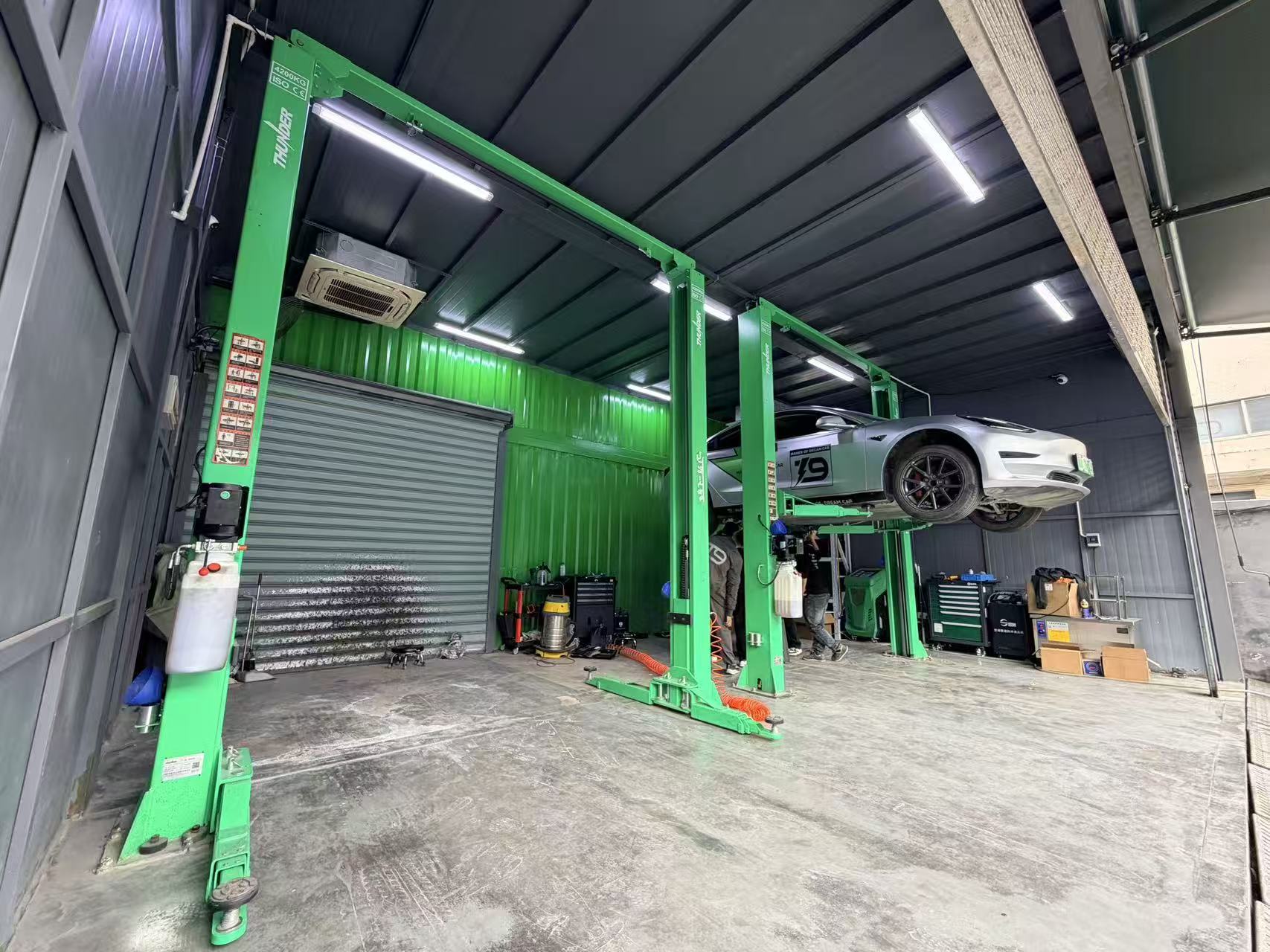
T9 EV Station's standardized service process is a six-stage closed loop. Applied to a fleet rather than a single vehicle, each stage gains a project-level action.
Estimated timelines depend on the service mix. General services typically require one to two working days per vehicle, while modification and repair projects require two to seven working days. For a fleet, these are per-vehicle figures to be scheduled in batches, not a project total.
Use Cases: Mapping Fleet Scenarios to Accessory Scope
High-mileage ride-hailing and shuttle fleets
These vehicles accumulate interior wear and cabin air load quickly. The practical scope centers on interior protection for high-traffic surfaces, floor mats and trunk accessories, plus a defined maintenance interval covering cabin air filter replacement and repair. The decision rule is simple: specify for wear rate first, appearance second.
Executive chauffeur and corporate pool vehicles
Appearance and passenger perception drive the specification. Exterior protection through paint protection film or ceramic coating, consistent film installation on glass, and cleanable interior accessories matter more than heavy-duty coverage. Because these vehicles are shared, specification consistency across the pool matters as much as the products themselves.
Rental and service-loaner fleets
Short turnover and high driver variability put a premium on protection that survives repeated cleaning and on accessories that are difficult to damage or misplace. A standardized interior protection scope plus a repair pathway for damage between rentals keeps the fleet presentable without custom work per vehicle.
Dealer groups and commercial installers
Installers need supply reliability and technical support more than they need a single product. Relevant capabilities include 5,000+ SKUs for one-stop sourcing, a 20-engineer R&D team for fitment and customization questions, and the electronic cloud warranty system as the after-sales backbone they can hand to their own customers.
Multi-site fleet workshops
When several depots service their own vehicles, the risk is divergence. The countermeasure is a locked SOP, unified pricing and a shared warranty record — the same control set T9 EV Station operates across 100+ stores in China, extended to service stations in Los Angeles and Malaysia.
Comparison Table: Ad-Hoc Purchase vs. Project Adaptation
| Decision area | Ad-hoc retail purchasing | T9 EV Station fleet project adaptation |
|---|---|---|
| Specification control | Decided per vehicle or per buyer; inconsistent across sites | One locked specification per vehicle role, documented in the service agreement |
| Model coverage | Fitment checked case by case | 5,000+ SKUs across Model Y, New Y, Model 3, New 3 and other Tesla models |
| Service scope | Split across film, accessory and maintenance vendors | Full-life-cycle scope: film installation, auto supplies, modification, daily upkeep, maintenance and repair |
| Customization | Limited to what is on the shelf | 20-engineer R&D team and modification design engineers for adapted specifications |
| Material transparency | Depends on the individual seller | Exclusive strategic partnerships with 3M, BOSCH, Wynn's, Hengst and MXR; cooperative relationships with Hikvision, XPEL, 3W and AGF |
| Pricing basis | Quoted per stop, varies by site | Transparent, unified pricing confirmed in writing before work begins |
| Warranty record | Fragmented across vendors | Electronic cloud warranty with nationwide unified after-sales and warranty |
| Scalability | Re-negotiated for each new site | 100+ stores in China plus service stations in Los Angeles and Malaysia |
What to Prepare Before Requesting a Fleet Quotation
A supplier can only lock a specification if the buyer brings the right inputs. Fleets that prepare the following list move from quotation to rollout faster:
- Vehicle composition by model and model year (Model Y, New Y, Model 3, New 3 and any other Tesla vehicles in scope).
- The role each vehicle plays in the fleet, and therefore its duty cycle and wear profile.
- Depot or site locations, and which site will perform which category of work.
- An availability target — how many vehicles can be off the road at the same time.
- The intended accessory and service scope by category: exterior protection, film, interior protection, trunk accessories, modification, maintenance.
- Any branding or customization requirement, so it can be evaluated by the R&D team rather than assumed.
- The named owner of warranty records on the fleet side, and the reporting format required.
- The driver handover process, so post-service confirmation is captured per vehicle.
With these inputs, Stage 1 and Stage 2 of the process — demand matching and quotation confirmation — can be completed without repeated clarification cycles.
Frequently Asked Questions
What qualifications should a fleet verify before contracting Tesla accessory and service work?
A fleet should verify the supplier's operating credentials and its documentation chain, not just its product list. T9 EV Station holds a motor vehicle maintenance operation record and a franchise business filing qualification, and operates a standardized construction SOP system with electronic cloud warranty activation at delivery. Buyers should also confirm that local market requirements applicable to their own jurisdiction have been reviewed for each accessory category in the specification, since conformity requirements differ by market and by product type.
Can a supplier adapt accessories for a mixed fleet of Model Y, New Y, New 3 and other Tesla models?
Yes, if the supplier's catalog and engineering capacity both cover the mix. T9 EV Station works from 5,000+ SKUs and has a 20-engineer R&D team plus modification design engineers, and reports serving over 300,000 Tesla vehicles since 2021. In practice, adaptation means defining a separate fitment and scope line for each model and model year in the fleet rather than issuing one blanket specification.
How is pricing handled for a commercial fleet project?
Pricing follows a quotation-first process. T9 EV Station works on transparent, unified pricing: the scope is confirmed during consultation, a quotation is issued, and a formal service agreement is signed before any work begins. A pre-service vehicle inspection is completed and recorded with the customer's confirmation, so the quoted scope and the vehicle's actual condition are documented at the same point in time. Because the scope differs by fleet composition and service mix, project pricing is quoted per project rather than published as a fixed rate.
How long does a fleet rollout take?
Timelines depend on the service mix, not on fleet size alone. General services typically require one to two working days per vehicle, while modification and repair projects require two to seven working days per vehicle. T9 EV Station's standardized process covers consultation, quotation, pre-inspection, construction, post-service testing and warranty activation in sequence. Fleets shorten total off-road time by sequencing vehicles by depot and job type instead of processing them individually.
What happens after installation across multiple sites?
Warranty activation and after-sales support are the closing stage of the process, not an afterthought. T9 EV Station activates an electronic cloud warranty at delivery and provides nationwide unified after-sales and warranty support, with a dedicated service consultant per project, real-time progress updates during construction and confirmation at key nodes including quotation, pre-inspection and delivery. For a multi-site fleet, that means one retrievable record per vehicle regardless of which store performed the work. To discuss a specific fleet or installer project, you can send your vehicle composition and scope to the T9 EV Station team through www.t9evparts.com or request the company brochure below.
Conclusion
Fleet and commercial Tesla accessory projects are won or lost on specification control. The buyer's job is to define one scope per vehicle role, sequence installation around availability targets, and hold every site to the same SOP and the same warranty record. The supplier's job is to have the SKU range, the engineering capacity and the documentation to hold that line.
T9 EV Station approaches this with 5,000+ SKUs, a 20-engineer R&D team, exclusive strategic partnerships with 3M, BOSCH, Wynn's, Hengst and MXR, a full-life-cycle service scope from film and floor mats through modification, upkeep and repair, and an electronic cloud warranty that travels with each vehicle. Applied scenario by scenario — ride-hailing, executive pool, rental, installer and multi-site workshop — those capabilities turn a product list into a repeatable project specification.
Start a Fleet or Commercial Project Conversation
Send your fleet composition, depot locations and required scope to receive a project quotation and the full service capability brochure.
Contact: John | Email: cn.johnchen@gmail.com | Tel / WhatsApp: +86 138-5804-5521
Website: www.t9evparts.com | Brochure: Download the T9 EV Station brochure (PDF)
Address: Room 107, Building 1, No. 201 Huayuangang Street, Gongshu District, Hangzhou City, Zhejiang Province
Have Questions or Need More Details?
Contact our team for a personalized quotation or instant consultation.
Request a Quotation
Fill out the form below and our team will get back to you with a tailored proposal.
WhatsApp Direct Chat
Prefer to chat in real-time? Message us on WhatsApp for instant assistance & quick answers.
- Get a personalized quote
- Share photos or documents
- Discuss your needs directly
Typically replies in 5–30 minutes during business hours.