Tesla Accessories Project Fit: A Use-Case Framework for Model Y, Model 3, New Y, and New 3
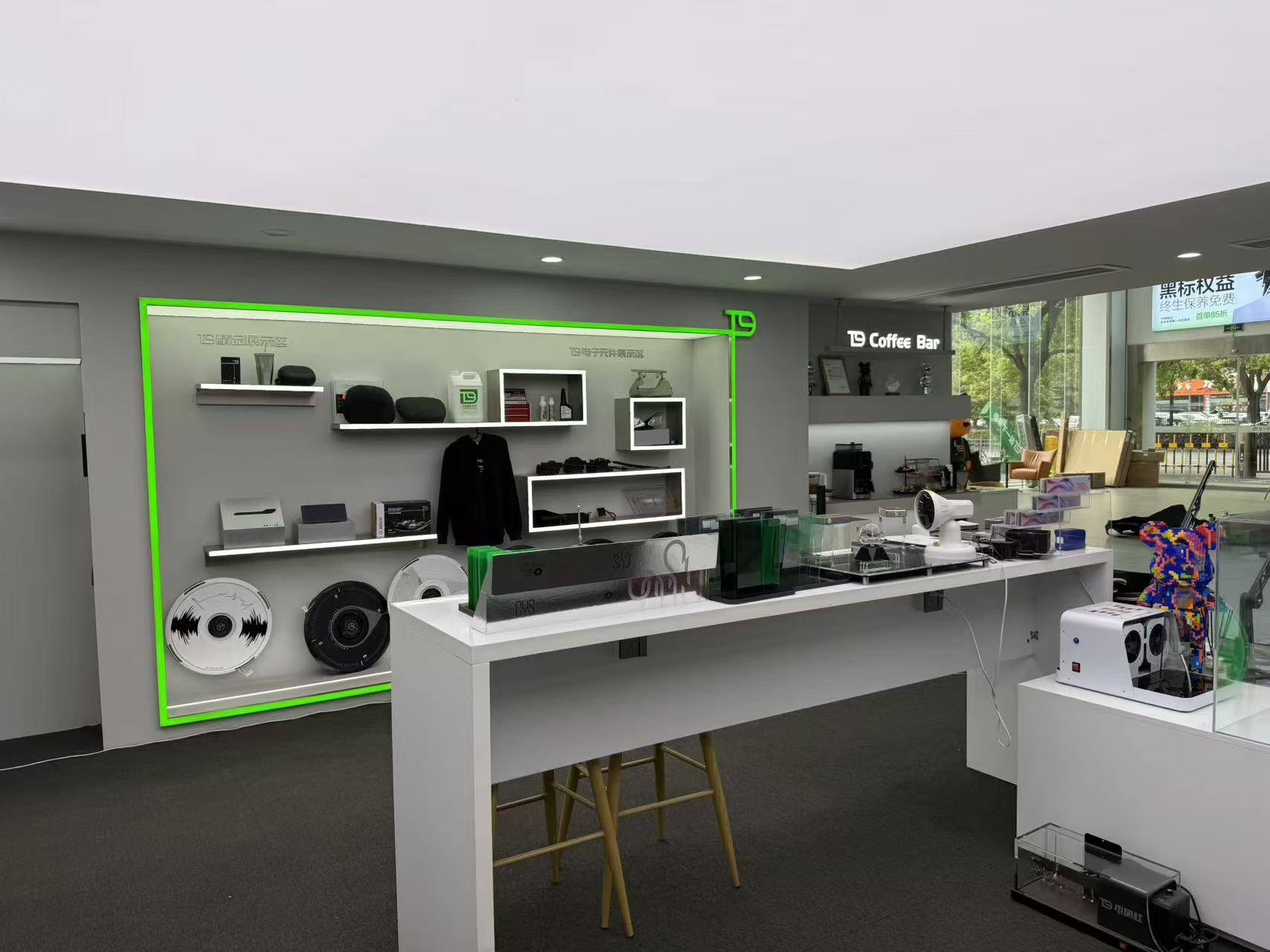
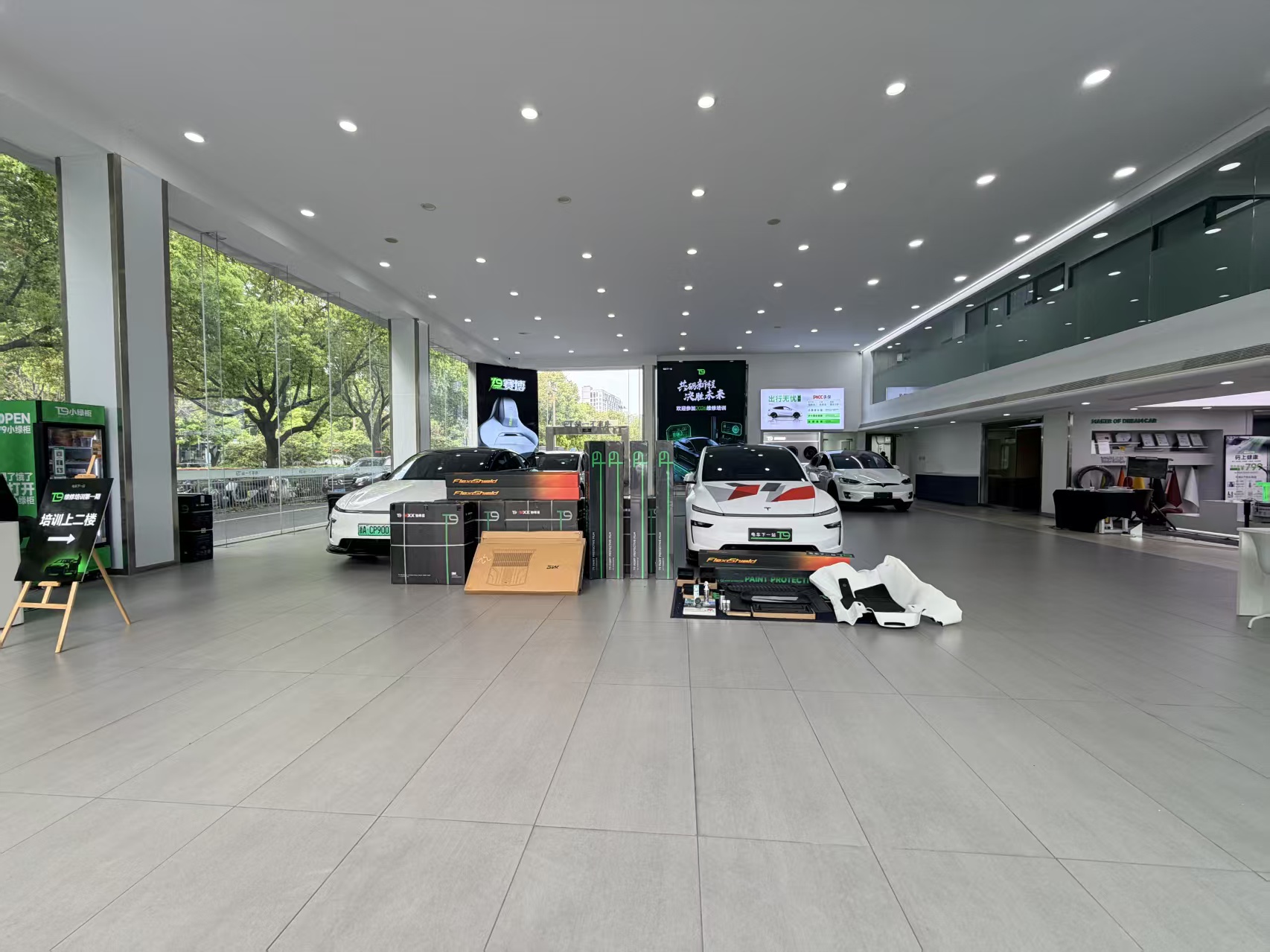
Image: T9 EV Station company lobby used for Tesla accessory project consultation and service planning.
Project-based Tesla accessories buying is not the same as picking one floor mat or one phone mount. A real upgrade or procurement project usually spans multiple vehicles, several Tesla accessory categories, installation requirements, and a defined service window. This guide provides a scenario-fit framework for Tesla Model Y accessories, Tesla New Y accessories, Tesla New 3 accessories, and Tesla Model 3 accessories. It also explains how to evaluate a supplier such as T9 EV Station from project scope to post-installation warranty.
Why Project Fit Is Different from Product Selection
Many buyers start with a broad search for Tesla accessories and end up with a fragmented supply chain. Paint protection film might come from one shop, interior organizers from another, and air filter replacement from a third. That separation creates unclear pricing, inconsistent construction quality, and no single point of responsibility. The project-fit problem is not about finding more Tesla car accessories; it is about reducing coordination risk across interior, exterior, protection, comfort, driving, lifestyle, trunk, and maintenance categories.
Some project buyers also confuse product availability with service capability. A supplier can list thousands of Tesla auto accessories and still not be able to install paint protection film correctly or support a multi-vehicle rollout. For that reason, evaluation should focus on how a supplier handles a project, not only how many Tesla aftermarket accessories it can ship.
Industry Background: Why Tesla Accessory Projects Are Growing
Tesla aftermarket demand is large enough to influence procurement behavior. The Tesla aftermarket parts market is projected to surpass USD 850 million globally in 2025, according to Tesstudio and industry reports. In the United States, Hedges Company and Technavio estimate the Tesla aftermarket opportunity between USD 2.8 billion and USD 4.2 billion, supported by a base of more than 1.8 million owners.
Spending patterns matter for project planning. Hedges Company data indicates Tesla owners spend an average of USD 800 to USD 1,200 annually on aftermarket accessories, roughly 40% higher than owners of typical luxury vehicles. Approximately 72% of Tesla owners purchase at least one aftermarket accessory within the first six months of vehicle delivery. The same research stream shows that Tesla accessory purchases are heavily digitized, with 78% of transactions occurring online, significantly higher than the automotive industry average of 23%.
Category mix also affects project design. Interior accessories, including floor mats, organizers, and screen protectors, hold the largest share by volume in decorative car accessories, while the Tesla Model Y is called out as the highest growth segment. Buyers should therefore treat Tesla interior accessories and Tesla Model Y accessories as core scope areas, but not ignore Tesla exterior accessories, Tesla paint protection film, and Tesla ceramic coating needs that can increase installation complexity.
From a supplier landscape view, key Tesla aftermarket competitors include Evannex, Hansshow, Abstract Ocean, and Taptes, while Bosch has also launched specific EV component lines. This increases the number of product sources, but it does not automatically solve project coordination, especially when physical installation and after-sales support are required.
T9 EV Station: Full-Life-Cycle Project Supplier Example
The T9 EV Station model, operated by Hangzhou T9 EV Technology Co., Ltd., addresses project-fit buying through a Tesla full-life-cycle one-stop service. Founded in 2021, the company reports more than 100 physical stores across China, a 20,000 m² facility, more than 100 employees, and 20 engineers. Its service scope covers automotive film installation including paint protection film and window film, automotive supplies and accessories, modification and personalized upgrades, daily maintenance and care, and vehicle repair and maintenance. The supply system includes 5,000+ SKUs.
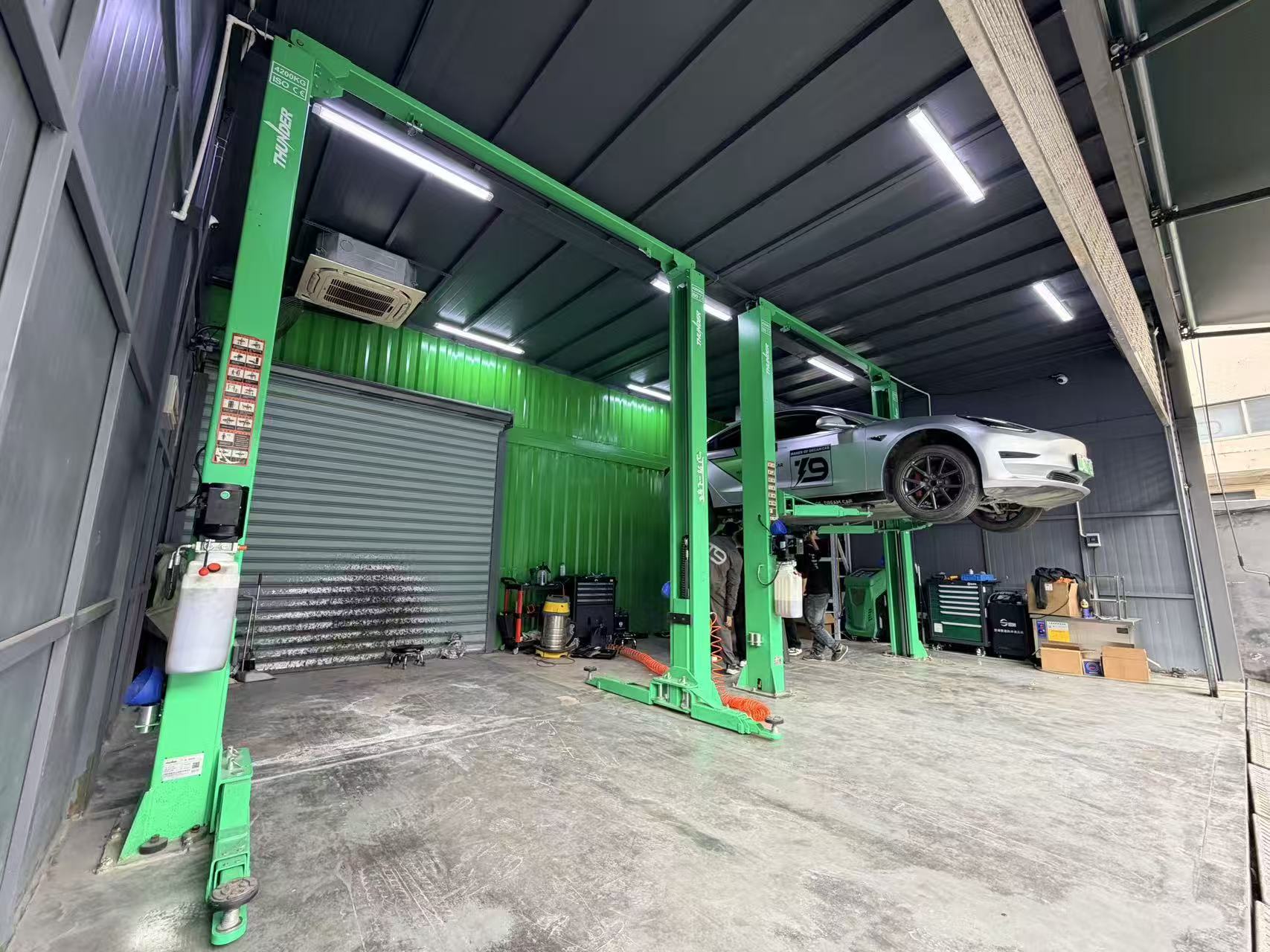
Image: T9 EV Station construction workshop supporting standardized Tesla accessory installation.
For project buyers, the relevant capability is not just the SKU count. It is the combination of a physical store network, standardized construction processes, unified pricing, and a nationwide warranty system. T9 EV Station states that this model is designed to solve fragmented service and non-standard construction pain points for Tesla users. The company has also expanded service station support to Los Angeles and Malaysia, which makes it more relevant for overseas project discussions.
In practice, this means a procurement team can evaluate a single supplier for interior upgrades, exterior protection, film installation, modification, and scheduled maintenance, instead of coordinating multiple workshops. The company works with brands including 3M, BOSCH, Wynn's, Hengst, MXR, Hikvision, XPEL, 3W, and AGF, but the operational test for a project is whether the local service point can execute the required installation and warranty scope.
Step-by-Step Project Fit Framework
Step 1: Define the Project Scenario
Start by defining the deployment scenario. A personal owner upgrading one vehicle needs different service packaging than a company managing three or more Teslas. A distributor or service station planning to carry Tesla upgrade accessories needs different support again. Common scenarios include single-owner multi-stage upgrades, small fleet or corporate vehicles, installation-shop supply, and overseas service-station support.
Step 2: Map Categories Before Choosing SKUs
Map the project to accessory categories before choosing specific products. Tesla interior accessories may include mats, organizers, console covers, and screen protection. Tesla exterior accessories and Tesla protection accessories may include paint protection film, ceramic coating, badges, covers, and body trims. Tesla comfort accessories, Tesla driving accessories, Tesla lifestyle accessories, and Tesla trunk accessories should be grouped by usage rather than by supplier. Air filter replacement belongs to maintenance scope and should be planned as a recurring item.
Step 3: Confirm Model Coverage
Confirm fitment for each model in the fleet. Tesla Model Y accessories differ from Tesla New Y accessories in some production years and refresh versions. The same applies to Tesla Model 3 accessories and Tesla New 3 accessories. Rather than assuming product fit, request a written model compatibility check for every SKU.
Step 4: Evaluate Compliance Requirements
For EU project orders, the EU General Product Safety Regulation, Regulation (EU) 2023/988, has applied since December 13, 2024 and covers consumer products including Tesla aftermarket accessories. Even if a product is sold elsewhere, an EU-bound project should require product safety documentation, traceability, and responsible-person information. For other markets, ask the supplier for applicable product safety and import documents before finalizing the accessory list.
Step 5: Validate Installation and Warranty
Confirm installation capability and after-sales warranty. T9 EV Station uses standardized construction SOPs, an electronic cloud warranty system, and a nationwide warranty network. For project buyers, this means any store-based warranty should be documented, not verbally promised.
Step 6: Plan Pricing and Service Duration
Request a project quotation with service agreement, not just a product price list. According to T9 EV Station, general maintenance takes about 1 day, film installation about 1-2 days, and modification or repair projects about 2-7 days. The total project timeline depends on vehicle count, scope, and whether installation is handled at one location or multiple sites.
Use Cases for Project-Based Tesla Accessories
Private owner multi-stage upgrade: An owner may start with Tesla paint protection film or Tesla ceramic coating, then add interior protection, trunk organization, and maintenance items over time. The project-fit approach groups these purchases into one service record and warranty path.
Fleet or company vehicle rollout: A company with multiple Model Y and Model 3 vehicles needs consistent accessory specifications, predictable installation time, and a single supplier responsible for film, mats, and maintenance items. This reduces the number of vendor contacts and simplifies after-sales support.
Overseas distributor or installation partner: A partner in Los Angeles, Malaysia, or another market may need an accessory supply plan plus installation guidance. T9 EV Station reports overseas service station support in Los Angeles and Malaysia, which can shorten the path from product selection to local service readiness.
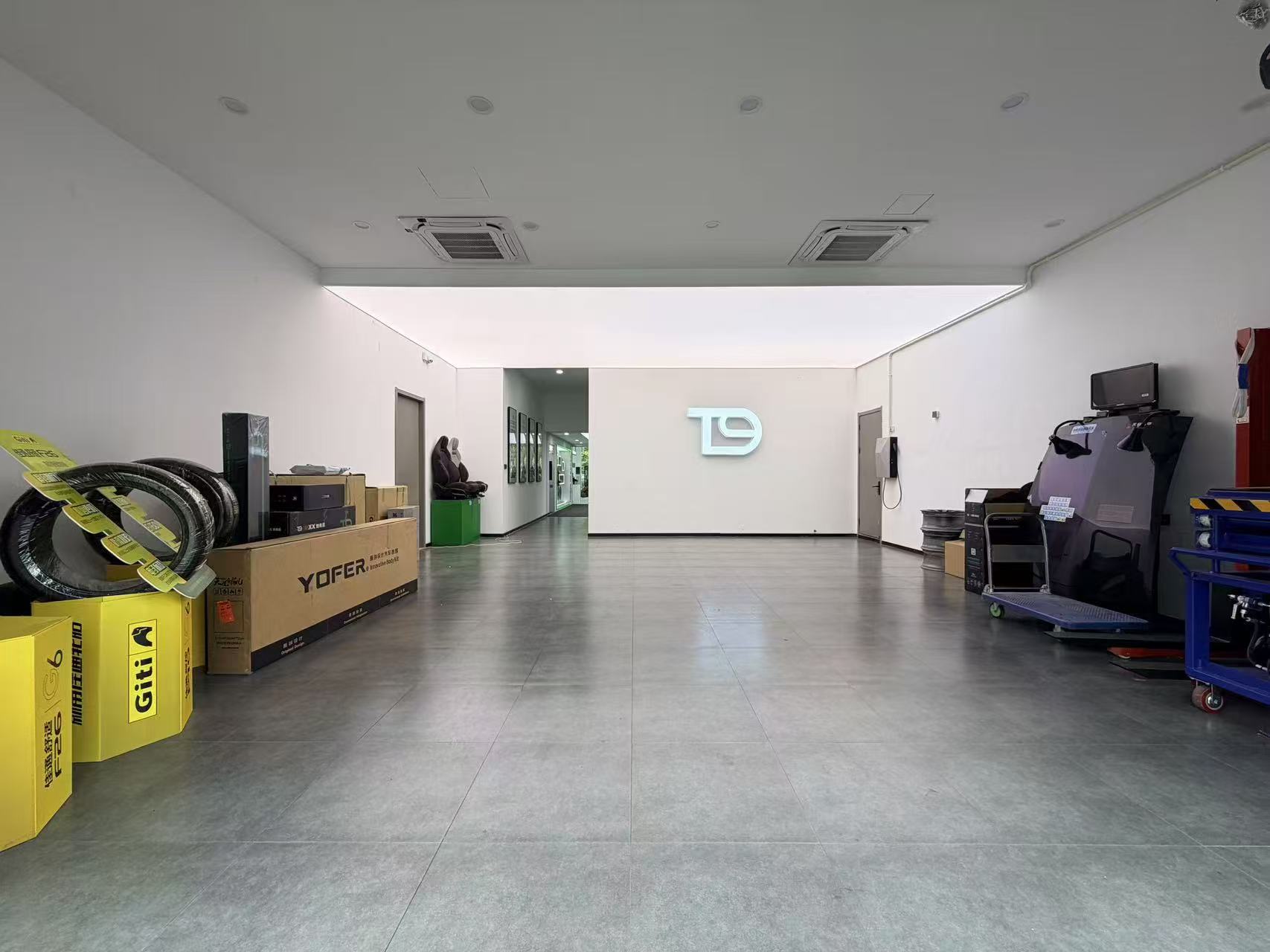
Image: T9 EV Station company lobby used for accessory display and project consultation.
In one documented case, a Tesla Model 3 owner needed paint protection film installation, interior personalized modification, and daily maintenance. The customer's challenges included fragmented services, unclear pricing, lack of unified after-sales guarantee, and concerns about non-standard construction quality. T9 EV Station delivered the project in 3 working days using its full-life-cycle standardized service methodology. The recorded results were 100% customer satisfaction, service time reduced by 60% compared with fragmented separate services, zero quality issues, and transparent pricing. The customer cited the nationwide warranty as the main reason for future repurchase.
Project Delivery Comparison: One-Stop vs. Fragmented Service
| Dimension | T9 EV Station Project Model | Fragmented Service Model |
|---|---|---|
| Service integration | Combines film, supplies, modification, maintenance, and repair under one service agreement. | Separate shops for film, modification, and maintenance; buyer coordinates each vendor. |
| Pricing | Unified quotation and service agreement; transparent pricing. | Unclear pricing and hidden costs; per-vendor quotes. |
| Construction quality | Standardized construction SOP system and qualified inspection records. | Non-standard construction quality and no shared quality record. |
| Warranty | Nationwide after-sales warranty and electronic cloud warranty certificate. | Lack of unified after-sales guarantee; warranty depends on individual shop. |
| Project efficiency | Reported 60% service time reduction in one documented one-stop case. | Higher time cost from multi-store coordination. |
FAQ: Tesla Accessories Project Fit
Which compliance requirements apply to EU project orders for Tesla aftermarket accessories?
For EU-bound project orders, the EU General Product Safety Regulation, Regulation (EU) 2023/988, has applied since December 13, 2024. It sets safety obligations for consumer products sold in the EU, including Tesla aftermarket accessories. Buyers should verify product safety documentation, traceability, and responsible-person information before finalizing a project order.
What should I verify in a Tesla accessories supplier before a multi-model Model Y and Model 3 rollout?
Verify service scope, model coverage, installation capacity, pricing transparency, and warranty documentation. T9 EV Station reports more than 100 physical stores, 5,000+ SKUs, and service coverage across Tesla full-life-cycle needs. A project-ready supplier should be able to provide a written service agreement and model compatibility check.
How should I budget for Tesla interior and exterior accessory projects?
Use a line-item budget covering accessories, installation, logistics, and contingency. Verified industry data shows Tesla owners spend an average of USD 800 to USD 1,200 annually on aftermarket accessories, but a project budget must be based on vehicle count, scope, and installation days, not an average owner figure.
Can I request samples or a project quotation before committing?
Sample availability and quotation formats vary by product and destination market. T9 EV Station provides project consultation through its website and company brochure. Buyers can request a written quotation and service agreement to validate scope before placing an order.
What lead time should I plan for Tesla accessory installation?
According to T9 EV Station, general maintenance takes about 1 day, film installation about 1-2 days, and modification or repair projects about 2-7 days. Total project lead time depends on vehicle count and access to an authorized service point. To start a sample, quote, or project scoping request, contact T9 EV Station through WWW.T9EVPARTS.COM or download the company brochure below.
Project scoping, sample, or quotation: Visit WWW.T9EVPARTS.COM or download the T9 EV Station brochure to begin a project discussion.
Have Questions or Need More Details?
Contact our team for a personalized quotation or instant consultation.
Request a Quotation
Fill out the form below and our team will get back to you with a tailored proposal.
WhatsApp Direct Chat
Prefer to chat in real-time? Message us on WhatsApp for instant assistance & quick answers.
- Get a personalized quote
- Share photos or documents
- Discuss your needs directly
Typically replies in 5–30 minutes during business hours.