Tesla Floor Mats 101: Materials, Fitment, and Maintenance Basics
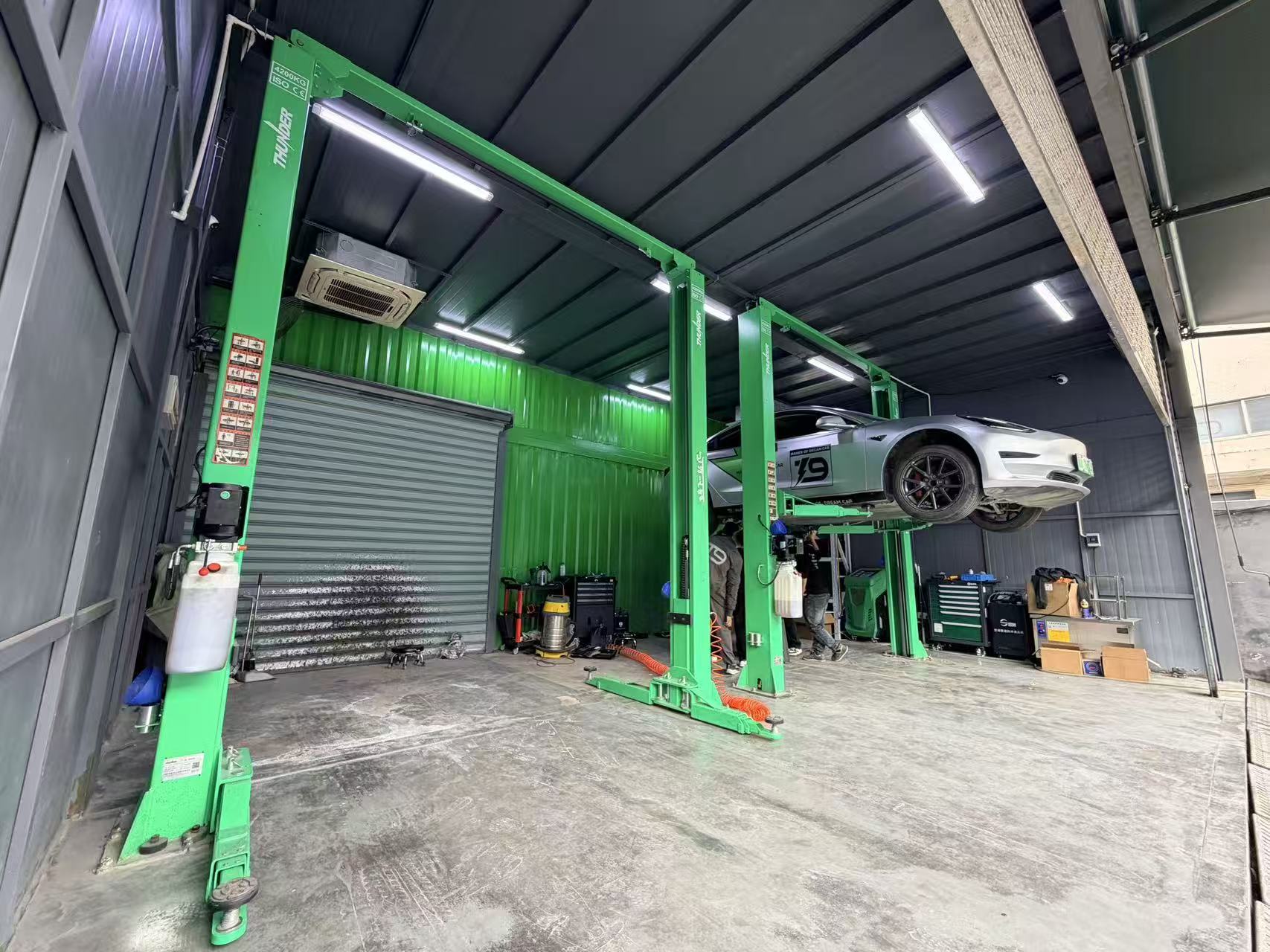
Cover: interior protection work at a T9 EV Station service bay. Floor mats are fitted parts shaped to a specific footwell — not universal accessories.
Tesla floor mats are vehicle-specific interior protection parts, and they are not interchangeable between Tesla variants. Buyers generally choose between three material families — rubber, carpet, and 3D molded — and each one fits differently, cleans differently, and suits a different use pattern. This explainer covers what separates the three families, which fitment points actually determine whether a mat stays in place, and the cleaning routine each material needs to stay serviceable.
Problem Definition: Why Floor Mats Are a Fitment Decision, Not an Add-On
The practical difficulty with Tesla floor mats is not choice — the market offers plenty. The difficulty is that buyers usually compare mats from photographs, and photographs do not show the three things that decide whether a mat works: how closely the shape follows the footwell, whether it uses the vehicle's retention points, and whether it stays clear of the pedals and seat travel.
Floor mat demand on Tesla vehicles is concentrated in the protection category. Verified category data on Model Y accessory demand identifies floor mats as a leading protection item, alongside sunshades driven by glass-roof heat (Fortune/Vertex-grounded category research, EV-0004). In other words, mats are one of the first interior purchases a Tesla owner makes — which also means the category attracts a very wide range of product quality presented through very similar listings.
Three failure modes account for most buyer disappointment:
- Shape mismatch. A mat cut for one variant's footwell will not seat cleanly in another variant's footwell, even when both are marketed under the same model name.
- Retention failure. Mats that do not engage the vehicle's retention points migrate forward under foot movement, which is a safety issue rather than a cosmetic one.
- Maintenance mismatch. A carpet mat used in a slush climate, or a molded mat cleaned with the wrong method, degrades faster than the material itself would suggest.
Each of those is a specification question, not a brand question. That is the frame this article uses throughout.
Industry Background: Where Floor Mats Sit in the Tesla Aftermarket
The Tesla aftermarket has scale. The global electric vehicle aftermarket industry is projected to reach over USD 100 billion by 2026, at USD 103.67 billion, according to Fortune Business Insights research (EV-0002). Within the United States alone, the Tesla aftermarket parts market was estimated at USD 2.8–4.2 billion in 2025, driven by a base of more than 1.8 million Tesla owners (EV-0001).
Scale like that produces a fragmented supply side: many sellers, many mold sources, and many near-identical product descriptions. A buyer therefore needs a screening method rather than a shortlist of names.
For context on how one supplier is organised, T9 EV Station (Hangzhou T9 EV Technology Co., Ltd.) is a Tesla-focused aftermarket service company established in 2021, operating more than 100 stores across China with service stations in Los Angeles and Malaysia. Its stated position is a full-life-cycle one-stop model covering film installation, auto supplies and accessories, modification, maintenance, and repair, supported by a catalog of more than 5,000 SKUs and a technical team of 20 engineers. The company reports strategic supply relationships with brands including 3M, BOSCH, XPEL, 3W, AGF, Hikvision, Wynn's, Hengst, and MXR.
That structure matters for floor mats specifically because mat supply is a mold-and-fit problem: a supplier handling many Tesla SKUs has to hold variant-level part data, not just product photos. A catalog in the thousands of SKUs does not automatically mean better mats — but it does mean fitment information has to be organised systematically, which is a useful thing for a buyer to test.
Detailed Solution: The Three Material Families, Explained
Rubber mats
Rubber-type mats are built around containment. Their job is to stop water, slush, sand, and spills from reaching the carpet underneath, and to be emptied and rinsed without much ceremony. They are usually the default recommendation for wet climates, winter road salt, heavy foot traffic, and work or fleet vehicles.
The limitation is surface behaviour. A textured rubber surface holds fine grit, so it needs rinsing rather than shaking out. Stiff edges also need to seat properly against the footwell wall — an edge that does not sit down will curl over time and start catching feet.
Carpet mats
Carpet mats restore a soft, quiet, factory-style interior finish. Textile surfaces absorb road noise and footfall sound in a way that hard mats do not, and many owners prefer them simply because they match the original interior look.
The limitation is moisture. Carpet holds water and stains, dries slowly, and performs poorly in slush conditions. Carpet mats are a reasonable choice for dry climates, light use, and owners who prioritise interior feel over maximum protection.
3D molded mats
A 3D molded mat is shaped to the footwell contour rather than laid flat inside it, so it covers the footwell walls as well as the floor and contains liquid and debris inside a raised tray. This is the family most often specified for mixed weather, family vehicles, pets, and daily-use cars.
The limitation is that 3D molded performance depends entirely on mold accuracy. A well-shaped tray fits flush against the footwell walls; a poorly shaped one leaves gaps, sits proud at the edges, or intrudes into the pedal area and seat travel.
How to judge quality without overhyping any single brand
Brand labels are a poor primary filter in this category, because the same material family can be executed well or badly. A more reliable screen is a short physical checklist — the kind of check a technical team runs before adding a mat SKU to a catalog. T9 EV Station's 20-engineer team applies these criteria across a catalog of more than 5,000 SKUs, and they are all checkable by a buyer without laboratory equipment:
- Mold accuracy. Place the mat dry in the footwell and look at the gap between mat edge and footwell wall. Consistent, narrow gaps along the full perimeter indicate an accurate mold. Widening gaps at corners indicate a generic shape.
- Edge finish. Cut edges should be clean and consistent. Rough or uneven edges are a reliable early indicator of tooling quality.
- Retention interface. The mat should engage the vehicle's retention points and stay engaged when you push it forward with your foot.
- Pedal and seat clearance. With the mat installed, the pedals must travel fully and the seat must move through its full range without the mat being displaced.
- Surface recovery. Clean a small area with mild soap and water, let it dry, and check whether the surface texture returns to its original state. Surfaces that flatten, chalk, or discolour after one cleaning will not survive a season.
- Odour. A pronounced chemical smell out of the packaging usually signals low-grade material or insufficient curing. It should dissipate quickly, not persist.
None of these checks require a brand preference. They require ten minutes and the actual vehicle.
Fitment: What Actually Changes Across Model 3, New 3, Model Y, New Y, and Model YL
Fitment is variant-specific because floor mats are shaped to a footwell contour, and Tesla's model range includes distinct variants — Model 3, Model Y, New 3, New Y, and Model YL are all named variants in current aftermarket catalogs. The practical differences a buyer needs to resolve are not cosmetic:
- Variant confirmation. Confirm the exact variant name as sold in your market before ordering. A listing that says "Model Y" and a listing that says "New Y" are not the same part number.
- Row coverage. Front-row and second-row mats are normally separate parts. Trunk mats are a separate SKU again, and are generally specified independently of the passenger-area set.
- Retention points. Check that the mat set is designed for the retention points your vehicle actually has, rather than a universal clip arrangement.
- Pedal area. The driver-side mat must not sit under or near pedal travel. This is the single most important fitment check on any mat set.
- Seat travel. Move the front seats fully forward and fully back with the mats installed.
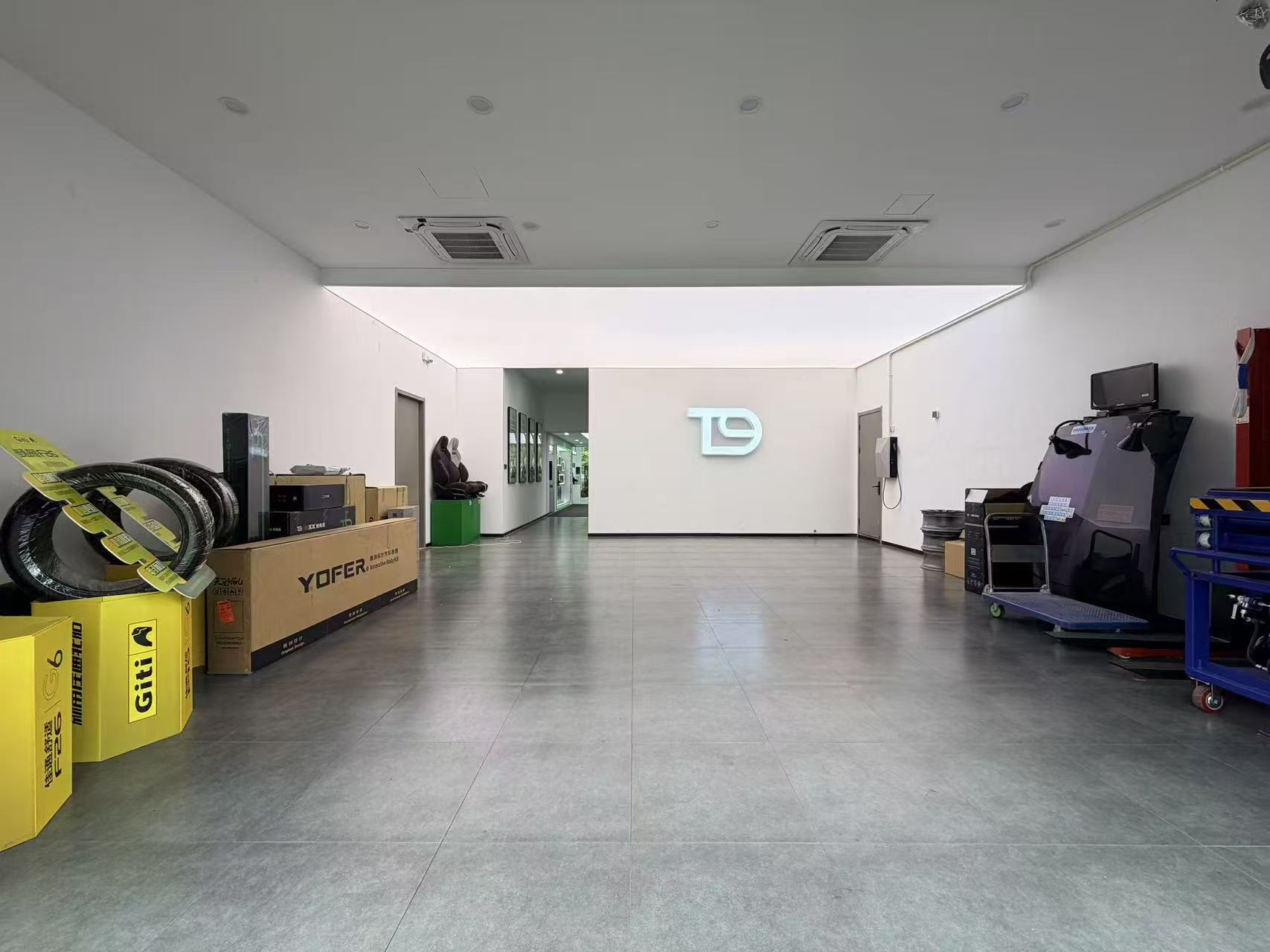
Fitment check: gap consistency, edge seating, retention engagement, and pedal clearance are verified with the mats installed in the vehicle — not on a bench.
Step-by-Step Breakdown: Specifying and Validating a Floor Mat Set
The sequence below is the one that avoids rework. It works for a single owner buying one set and for a distributor specifying a project-scale order.
Step 1 — Lock the variant and model year
Write down the variant name exactly as it appears in your vehicle documentation and compare it to the listing. Do not accept a generic model name as confirmation.
Step 2 — Define the coverage zones
Decide whether you need front row only, front plus second row, trunk coverage, or a combination. Each zone is a separate fitment decision and, in most catalogs, a separate SKU.
Step 3 — Choose the material family by use pattern
Wet climates and heavy traffic point to rubber or 3D molded. Dry climates and interior-feel priorities point to carpet. Mixed weather, families, and pets point to 3D molded.
Step 4 — Run the physical fitment check
Install dry, then verify gap consistency, edge seating, retention engagement, pedal travel, and seat travel. Any item that fails here will not improve with use.
Step 5 — Validate a sample before committing volume
For project or distributor orders, test a physical sample against the checks in the previous section, and confirm the SKU-to-variant mapping in writing. A sample that fits a demo car but carries an ambiguous part number creates problems at scale.
Step 6 — Set a cleaning and inspection routine
Define how often the mats are removed, cleaned, and refitted, and inspect retention engagement every time they go back in. Retention is the part that degrades silently.
Step 7 — Record the specification for repeat orders
Keep the variant, coverage zones, material family, and part reference together. Repeat orders are where mismatches most often occur, because the original confirmation details get lost.
Use Cases: Matching Material to Real Driving Conditions
Daily commuting in mixed weather
This is the highest-volume scenario and the one where 3D molded mats are most often specified, because a raised tray contains wet footwear residue in one removable part rather than spreading it into the carpet.
Winter and road-salt regions
Road salt and slush are a rinsing problem. Rubber-type mats that can be lifted out, rinsed, and dried fully are the practical choice; carpet in this environment needs frequent vacuuming and spot cleaning to avoid permanent staining.
Families with children and pets
Debris volume, not water, is the driver. Deep containment and easy removal matter more than surface softness, and a mat that can be lifted out in one piece saves time on every clean.
Fleet, ride-hailing, and commercial use
Commercial vehicles accumulate foot traffic far faster than private cars. In this scenario the decision is driven by cleaning turnaround and replacement predictability, not by appearance — a mat that can be cleaned in minutes and refitted correctly is worth more than a premium surface.
Distributors and installers stocking Tesla interior accessories
For channel buyers, the fitment question scales up: it becomes a SKU-to-variant mapping problem across Model 3, Model Y, New 3, New Y, and Model YL, plus separate trunk coverage. T9 EV Station's supply model — a catalog of more than 5,000 SKUs supported by a 20-engineer technical team — reflects the amount of part-level data a one-stop Tesla accessories catalog has to carry to keep that mapping reliable.
Interior detailing and service visits
Where mats are cleaned as part of a wider service visit, they are handled inside the same appointment. T9 EV Station's published service durations are 1 day for general maintenance, 1–2 days for film installation, and 2–7 days for modification or repair projects — useful for planning whether mat work can be combined with other jobs in one visit.
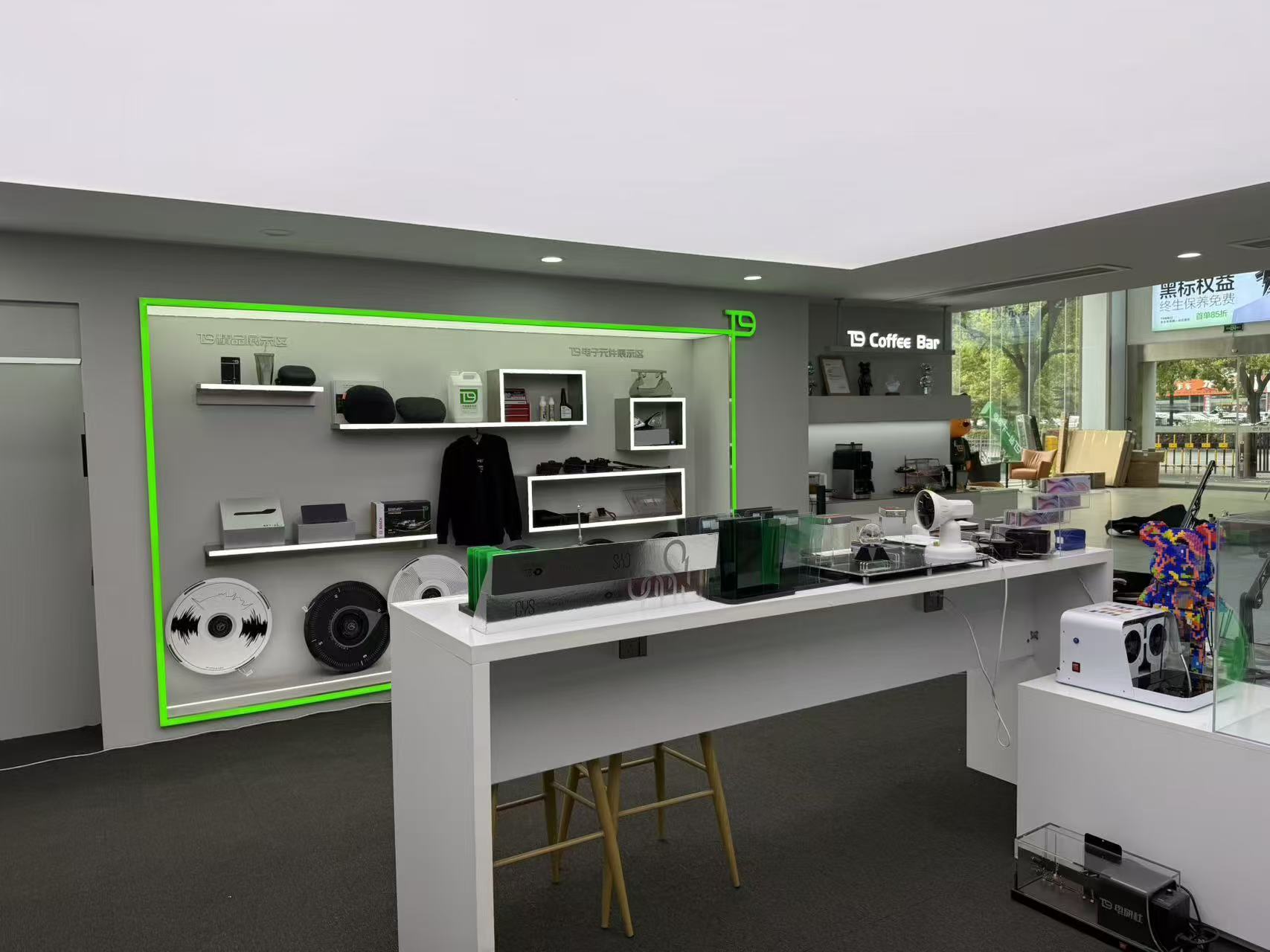
Interior accessory range: passenger-area mats and trunk mats are separate SKUs and separate fitment decisions.
Comparison Table: Rubber vs Carpet vs 3D Molded
The table below compares the three families on the criteria that affect ownership rather than on marketing positioning. It describes typical behaviour of each material family; individual products vary.
| Material family | Primary job | Typical cleaning method | Fits best when | Watch-outs |
|---|---|---|---|---|
| Rubber | Blocks water, slush, sand, and spills from reaching the carpet | Lift out, rinse with water, use mild soap for grease, dry fully before refitting | Wet climates, winter road salt, heavy foot traffic, work and fleet vehicles | Texture traps fine grit; stiff edges must seat flat or they curl |
| Carpet | Restores a soft, quiet, factory-style interior finish | Vacuum first, spot clean with mild detergent, air dry — never soak | Dry climates, light use, owners who prioritise original interior feel | Holds moisture and stains; slow to dry; poor choice for slush |
| 3D molded | Covers footwell walls as well as floor; contains liquid and debris in a raised tray | Lift out, rinse or wipe, dry, refit and re-check retention points | Mixed weather, families, pets, daily-use vehicles | Performance depends on mold accuracy; poor shape can intrude on pedals or seat travel |
Maintenance Basics: Cleaning Each Material Correctly
Most floor mat complaints are maintenance complaints. The routines below are simple, but the details matter — particularly drying, which is where most damage happens.
Rubber mats
- Remove the mat fully rather than cleaning it in place.
- Rinse with water to clear grit; use mild soap and water for grease or salt residue.
- Dry completely before refitting. Refitting a wet mat traps moisture against the vehicle floor.
- Avoid aggressive solvents, which degrade the surface texture rather than clean it.
Carpet mats
- Vacuum before applying any liquid — cleaning a dry mat is far more effective than cleaning a wet one.
- Spot clean stains with mild detergent and a cloth; do not flood the carpet.
- Air dry fully, away from direct high heat.
- Brush the pile gently after drying to restore texture.
3D molded mats
- Lift the tray out and empty debris before rinsing.
- Rinse or wipe the walls and floor surface; use mild soap for stubborn marks.
- Dry fully, then refit and confirm that the retention points re-engage and that the mat sits flush along the footwell wall.
- Re-check pedal and seat clearance after every refit.
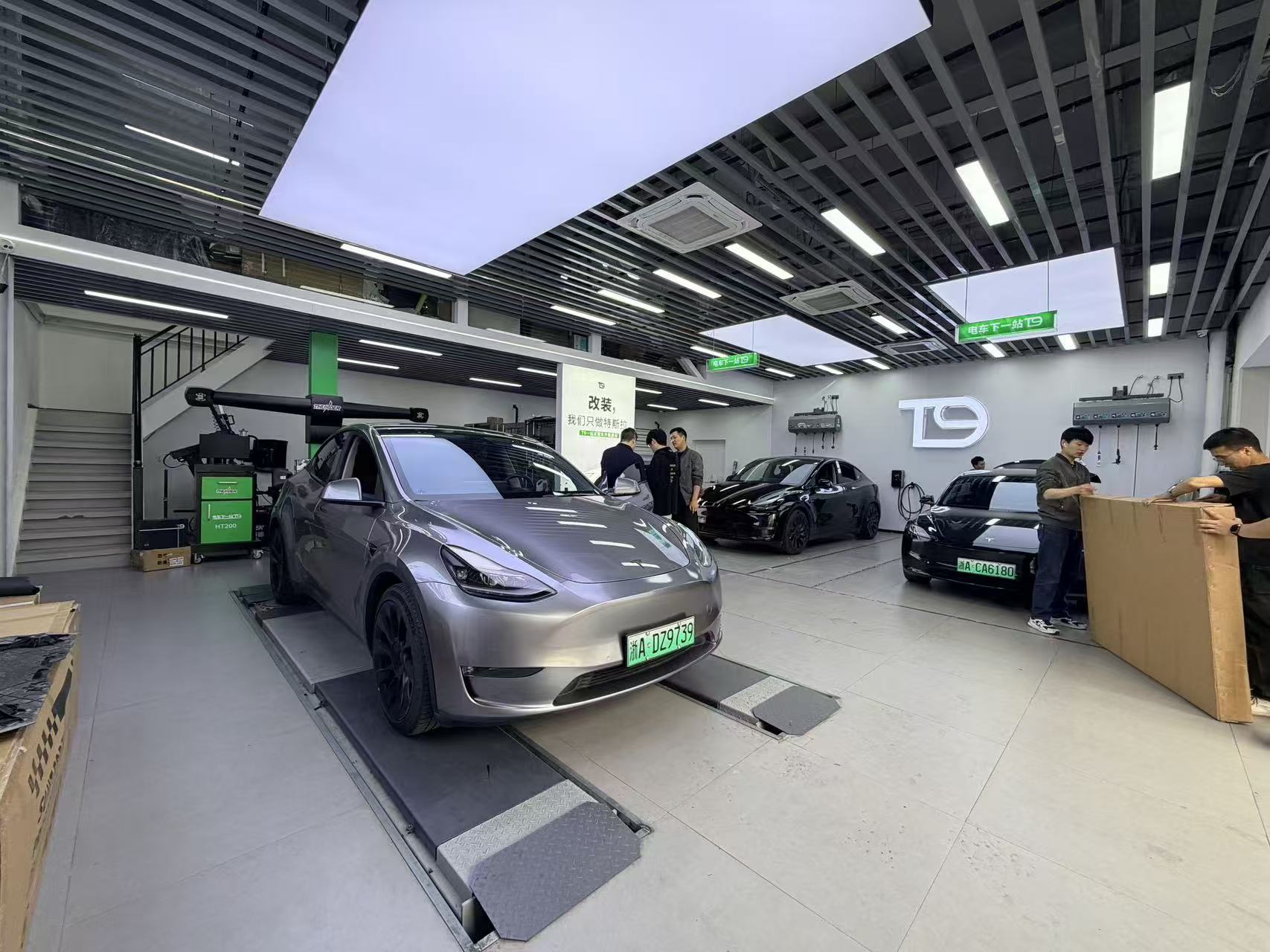
Cleaning and inspection: mats are cleaned out of the vehicle, dried fully, refitted, and then checked for retention and clearance.
About T9 EV Station
T9 EV Station (Hangzhou T9 EV Technology Co., Ltd.) was founded in 2021 and operates more than 100 Tesla-focused stores across China, with service stations in Los Angeles and Malaysia. The company runs a 20,000 m² facility with more than 100 employees, a technical team of 20 engineers, and a catalog of more than 5,000 SKUs covering film installation, auto supplies and accessories, modification, maintenance, and repair. T9 EV Station reports serving over 300,000 Tesla vehicles, holds a motor vehicle maintenance operation record and a franchise business filing qualification, and provides an electronic cloud warranty on delivered service work.
Website: www.t9evparts.com · Blog: blog.t9evparts.com
Address: Room 107, Building 1, No. 201 Huayuangang Street, Gongshu District, Hangzhou City, Zhejiang Province
Email: cn.johnchen@gmail.com · Tel / WhatsApp: +86 138-5804-5521
FAQ: Tesla Floor Mats
1. Are aftermarket Tesla floor mats subject to compliance checks, and what should a buyer verify?
Our research for this article did not identify a single verified certification standard that applies to aftermarket floor mats across all markets, so compliance requirements should be confirmed with the relevant authority in the destination market rather than assumed. What can be verified directly, on the vehicle, is the safety-relevant part: that the driver-side mat does not obstruct pedal travel, that the mat engages the vehicle's retention points, and that seats move through their full range without displacing the mat. On the supplier side, T9 EV Station holds a motor vehicle maintenance operation record and a franchise business filing qualification.
2. How can a buyer assess floor mat quality without laboratory testing?
Six physical checks cover most of it: mold accuracy (consistent, narrow gaps between mat edge and footwell wall), edge finish, retention interface engagement, pedal and seat clearance with the mat installed, surface recovery after one mild-soap cleaning, and odour out of the packaging. These are the same criteria a technical team uses when adding a mat SKU to a catalog — T9 EV Station applies them across a catalog of more than 5,000 SKUs with a team of 20 engineers.
3. Why do floor mat prices vary so much, and where should budget go?
Cost in this category is driven by tooling and coverage rather than by brand name. A multi-row set requires more molds than a front-row set; trunk coverage is a separate mold again. Material grade, retention hardware, packaging, and freight volume — mats are bulky relative to their value — add the rest. The practical guidance is to spend on mold accuracy and retention first, because those determine whether the mat functions at all, and on surface finish second. This article does not publish price figures; itemised quotations are the correct basis for comparison, and T9 EV Station issues a transparent quotation and service agreement as part of its standardized process.
4. Can a sample be checked before a project-scale order?
Yes — and for distributor or project orders it should be. Test the sample installed in the actual vehicle variant, not on a bench: confirm gap consistency around the full perimeter, retention engagement, pedal travel, and seat travel. Record the part reference and the variant it was confirmed against, because that pairing is what prevents mismatches on repeat orders. Sample and quotation requests can be sent to T9 EV Station at cn.johnchen@gmail.com or via WhatsApp on +86 138-5804-5521.
5. How should lead time be planned when mats are ordered alongside other work?
Floor mat fitting is interior work and is normally handled inside a scheduled service visit rather than as a standalone multi-day job. For planning purposes, T9 EV Station publishes service durations of 1 day for general maintenance, 1–2 days for film installation, and 2–7 days for modification or repair projects. A documented case of a combined film, interior modification, and maintenance project for a Tesla owner was completed in 3 working days, with a reported 60% reduction in service time compared with using separate shops for each task.
Conclusion: Specify the Mat, Not the Label
Tesla floor mats are a small purchase with a disproportionate number of ways to go wrong, and almost all of them come down to two questions: does the shape match your exact variant, and does the material match how you actually use the car? Rubber handles water and slush, carpet restores interior feel in dry conditions, and 3D molded covers the footwell walls when mixed weather and daily use are the reality. Whichever family you choose, the fitment checks — gap consistency, retention engagement, pedal clearance, seat travel — decide whether the mat performs or becomes a nuisance.
Maintenance is the other half. Remove mats to clean them, dry them fully before refitting, and re-check retention every time they go back in. A mat that no longer clips into place is finished, no matter how good the surface still looks.
Next Step: Sample, Quote, or Catalog
T9 EV Station supports Tesla owners, installers, and channel buyers with variant-level floor mat and interior accessory specification, backed by a catalog of more than 5,000 SKUs and a technical team of 20 engineers.
Request a sample, a quotation, or the full product catalog:
Email: cn.johnchen@gmail.com · WhatsApp: +86 138-5804-5521 · Web: www.t9evparts.com
Download the T9 EV Station brochure: T9 EV Station product and service catalog (PDF)
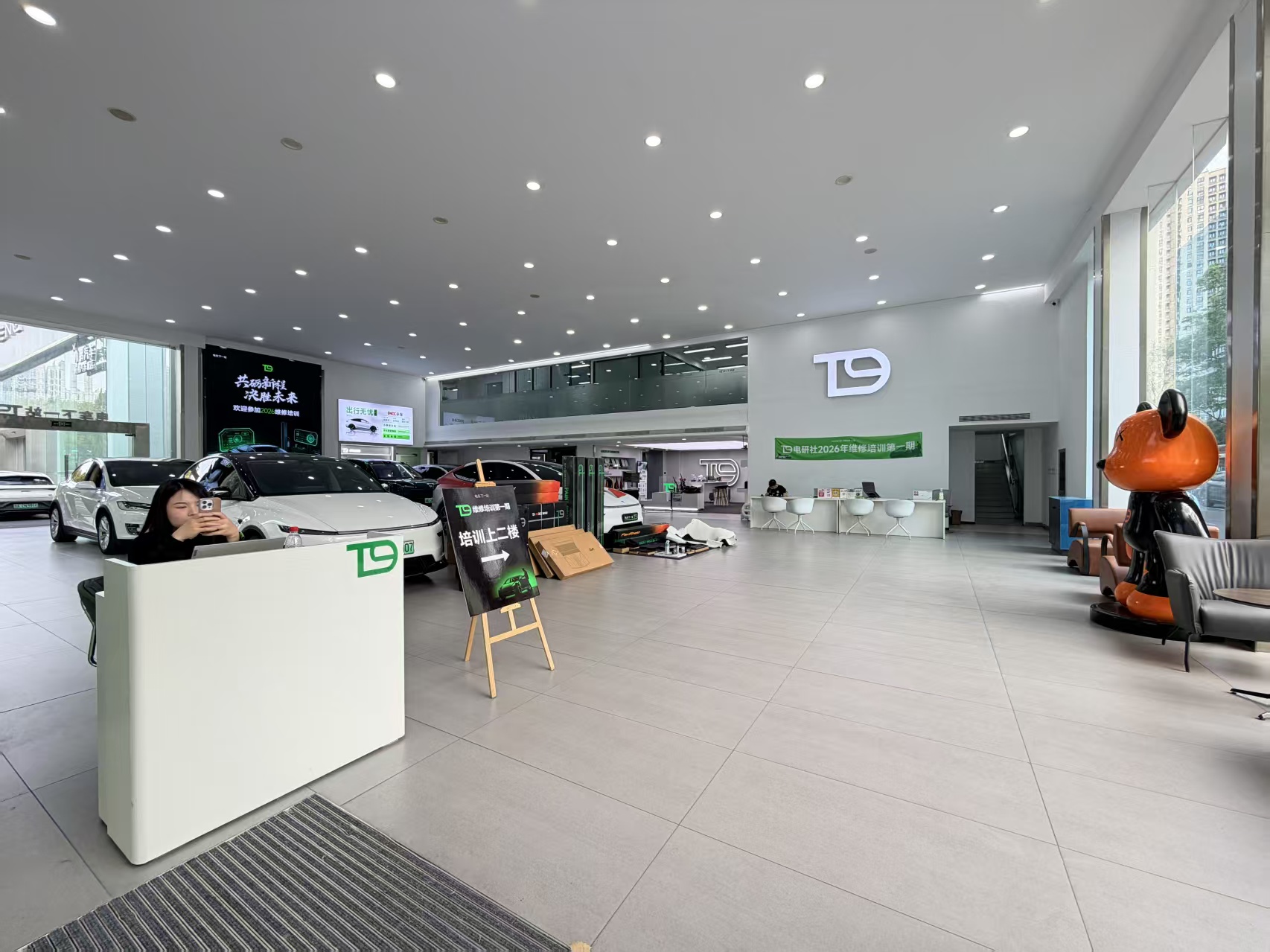
Sample, quotation, and catalog requests are handled through T9 EV Station stores and its online contact channels.
Have Questions or Need More Details?
Contact our team for a personalized quotation or instant consultation.
Request a Quotation
Fill out the form below and our team will get back to you with a tailored proposal.
WhatsApp Direct Chat
Prefer to chat in real-time? Message us on WhatsApp for instant assistance & quick answers.
- Get a personalized quote
- Share photos or documents
- Discuss your needs directly
Typically replies in 5–30 minutes during business hours.