Tesla Service Delays: How a 20,000 sqm Facility and 5,000+ SKUs Solve Supply Chain Bottlenecks
Tesla service delays usually begin long before a car reaches a lift. They begin at the moment a specific part, film roll, trim piece or accessory is not physically on the shelf, and every following step — diagnosis, quotation, installation, handover — waits on a supply chain the workshop does not control. The wait is almost never about effort in the bay. It is about availability upstream.
T9 EV Station approaches that problem from the inventory and manufacturing side rather than from the scheduling side. T9 EV Station is the trading name of Hangzhou T9 EV Technology Co., Ltd., a Tesla-focused aftermarket service provider established in 2021. It operates over 100 stores in China that serve Tesla owners exclusively, has expanded to Los Angeles and Malaysia, and runs a 20,000 square meter manufacturing facility supporting a catalog of more than 5,000 SKUs across film installation, auto supplies, modification, maintenance and repair.
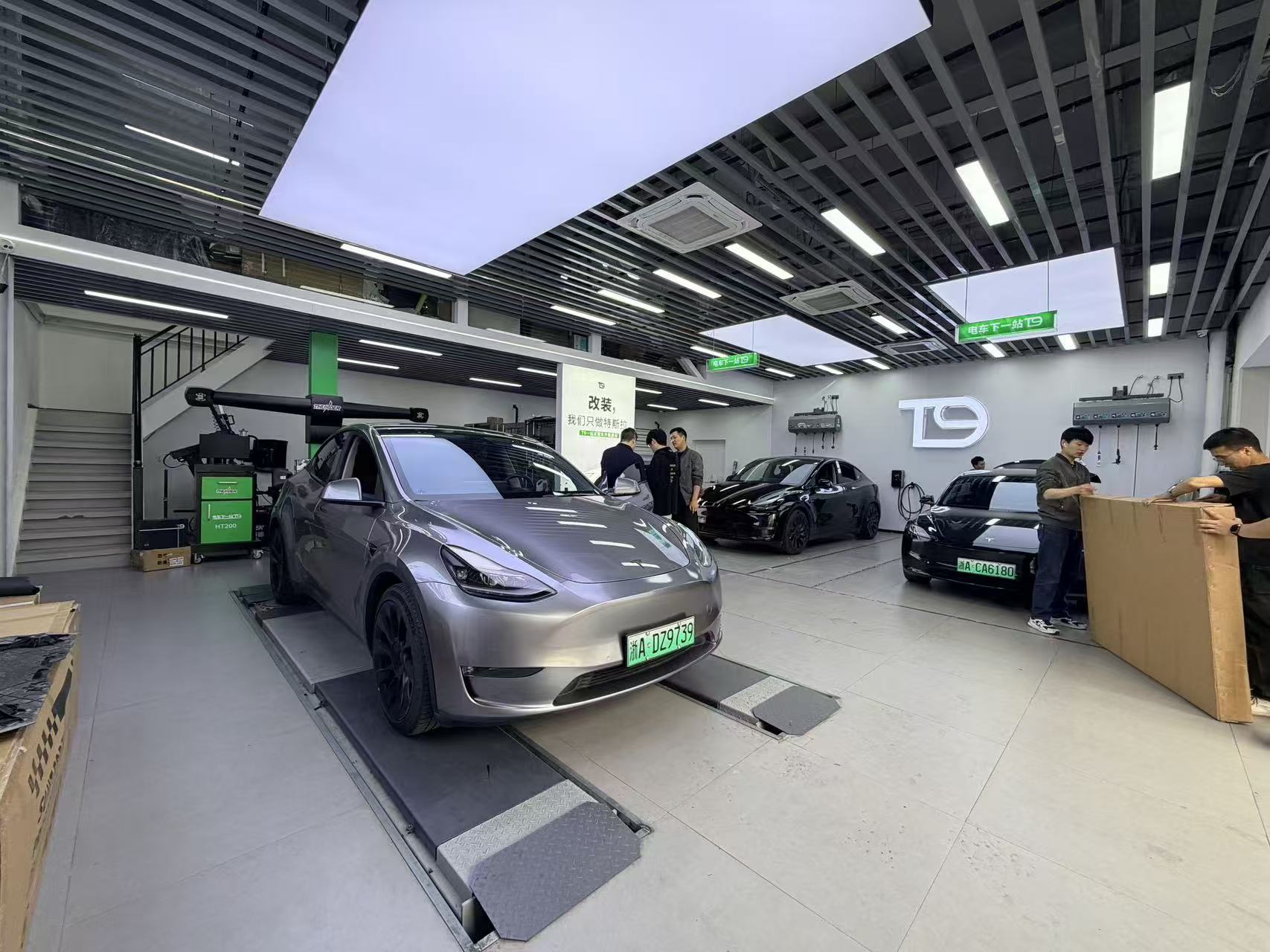
Workshop capacity only converts into short turnaround when the parts a job requires are already in the building. Image: T9 EV Station construction workshop.
Problem Definition: Why "Waiting for Parts" Is a Structural Problem, Not a Scheduling One
A Tesla service delay is a chain of small dependencies. A paint protection film (PPF) job needs the correct pre-cut pattern for the specific model and trim level. A suspension upgrade needs the matched component set. A repair needs the right replacement panel or sensor housing. If any one of those items sits with a different vendor, the whole job pauses — and the pause is invisible in the booking calendar.
T9 EV Station's own industry assessment of the Tesla aftermarket describes the underlying condition as fragmentation: separate providers for film, modification and maintenance; construction processes that are not standardized; after-sales support that is scattered rather than unified; pricing that is unclear until the invoice appears; and third-party parts of inconsistent quality.
The same assessment quantifies what that fragmentation costs buyers. It attributes a 30% higher risk of vehicle damage to non-professional operation, a 25% increase in after-sales complaints, 20% of service time lost to coordinating fragmented services, and 15% additional cost arising from unclear pricing. These are T9's published estimates of failure modes rather than independent market measurements, but they describe a pattern most owners recognise: the cost of a fragmented supply chain is paid in time, risk and rework, not only in the quoted price.
Industry Background: Service Demand Is Expanding Faster Than the Official Physical Network
Three verifiable data points frame the supply-side pressure.
- Revenue scale. Tesla's "Services and Other" revenue reached USD 12.53 billion in fiscal year 2025, according to Tesla's Q4 2025 quarterly update. That line item covers service centers, parts, used vehicle sales and supercharging.
- Aftermarket size. Fortune Business Insights valued the global electric vehicle aftermarket at USD 82.08 billion in 2025, with a forecast period running to 2034.
- Official footprint. ScrapeHero counted 232 official Tesla Service Centers in the United States as of 21 August 2026.
Read together, the numbers describe a service economy growing alongside a physical official network that is finite and geographically concentrated. Owners outside dense metropolitan areas, and fleets that cannot afford a vehicle sitting idle in a queue, increasingly need capacity that exists outside the official channel. That capacity only works if the independent operator can actually obtain parts, film and accessories on a predictable schedule — which is a supply chain question first and a service question second.
The T9 EV Station Model: Scale, Vertical Integration and Brand-Backed Components
Three structural choices separate an inventory-led service model from a workshop that orders per job.
1. A 20,000 square meter facility shortens the path from design to installed part
T9 EV Station operates a manufacturing facility covering 20,000 square meters, supported by an R&D team of 20 engineers and a workforce of more than 100 employees. The practical consequence is that product development, fitment validation and production sit inside the same organisation that installs the finished item. When a new Tesla model year changes a bumper contour or a trim clip, the adjustment happens internally instead of waiting for an external supplier's next production run.
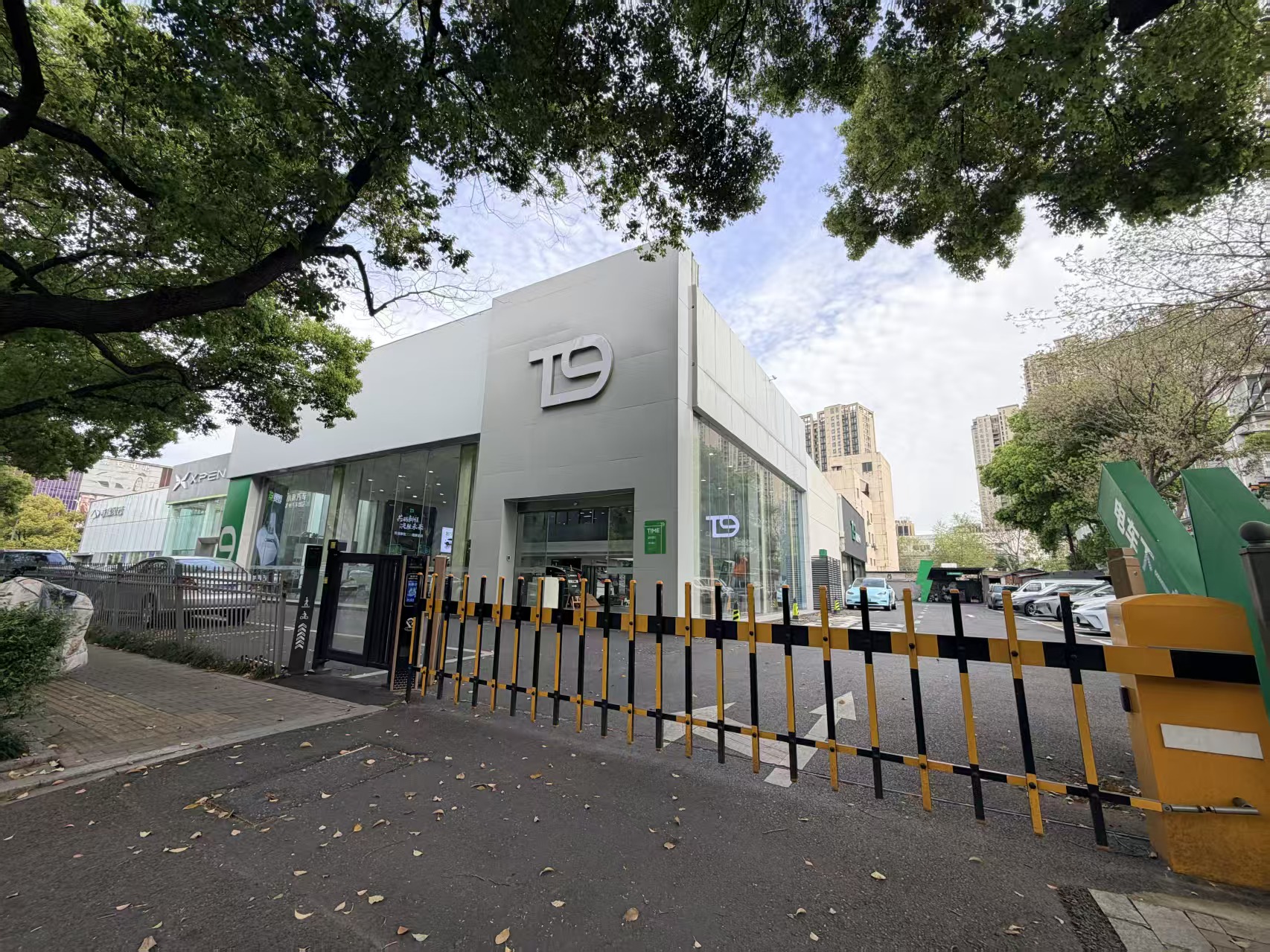
A single organisation covering development, production and installation compresses the feedback loop between a fitment problem and its fix. Image: T9 EV Station corporate image.
2. A 5,000+ SKU catalog turns availability into a planning assumption
T9 EV Station maintains more than 5,000 SKUs across its five service lines: film installation, auto supplies, modification and personalized upgrade, daily maintenance and care, and vehicle repair and maintenance. Breadth matters less than depth here. A catalog of that size lets a store commit to a service slot because the relevant item is already in the network, rather than promising a date that depends on a third party's dispatch.
3. Exclusive brand partnerships remove a common quality variable
T9 EV Station has established exclusive strategic partnerships with 3M, BOSCH, Wynn's, Hengst and MXR, alongside strategic partnerships with XPEL, 3W, AGF and Hikvision. For a buyer, the significance is not the logo list itself but what it removes from the decision: film, braking and maintenance consumables arrive through a documented channel rather than through open-market sourcing, which is where inconsistent third-party part quality usually enters the process.
4. Volume served acts as the demand-side check
T9 EV Station has cumulatively served over 300,000 Tesla vehicles and more than 200,000 Tesla owners. Its major markets include the EU and USA, export business accounts for 5% of total sales, and it has extended operations to Los Angeles and Malaysia. For a fleet manager evaluating a partner, that combination — a served-vehicle base plus an overseas footprint — is a more useful signal than a price list, because it indicates the model has already absorbed real fitment and logistics variation.
Step-by-Step: What a Supply-Resilient Tesla Service Job Actually Looks Like
The bottleneck is easiest to see as a sequence. Below is the documented flow T9 EV Station runs, with the supply-chain dependency at each stage made explicit.
Step 1 — Scope and fitment confirmation
The service item is defined against the specific vehicle: film type and coverage, modification scope, or repair requirement. Because the catalog is internal, fitment is confirmed against a known SKU rather than against a supplier's general description.
Step 2 — Parts and materials reservation
The matching SKU is reserved from the 5,000+ item catalog. This is the single step that most determines whether the quoted date holds, and it is the step a fragmented model cannot control.
Step 3 — Unified quotation and service agreement
T9 EV Station issues a unified quotation and service agreement before work begins. The documented scope, the agreed price and the exclusions are fixed in writing, which is the structural answer to the "unclear pricing and hidden costs" problem named in the industry assessment.
Step 4 — Standardized construction
Installation runs to a standardized construction process across the store network, with process records kept per job. Standardization is what allows a multi-store operation to deliver the same result in Hangzhou, Los Angeles or Malaysia.
Step 5 — Post-service inspection and reporting
Each job closes with a qualified service record and inspection report. This is the point at which a buyer can verify what was actually done, rather than relying on a verbal handover.
Step 6 — Electronic cloud warranty and after-sales
The vehicle leaves with an electronic cloud warranty certificate and access to unified nationwide after-sales support. Because the warranty is issued by the chain rather than by an individual workshop, it survives the customer moving city or the original technician leaving.
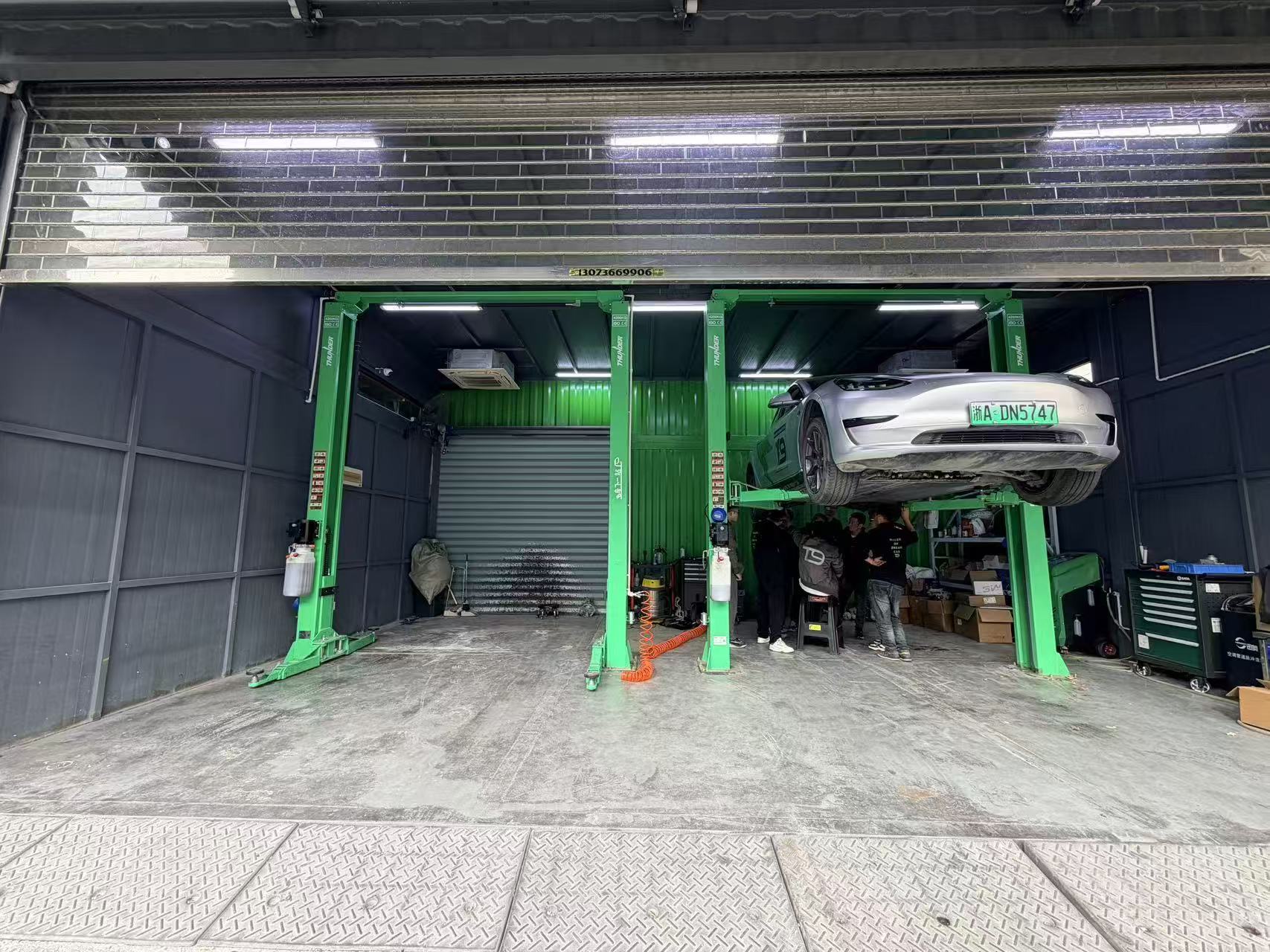
Standardized construction records are what make a multi-store warranty defensible. Image: T9 EV Station construction workshop.
Documented turnaround windows. T9 EV Station states service duration by category: general maintenance typically 1 day, film installation 1–2 days, and modification or repair projects 2–7 days. Delivery is on-site at authorized physical stores, with door-to-door service in some cities, and online parts supply with installation guidance where a physical visit is not practical.
Use Cases: Where Supply-Chain Depth Changes the Outcome
Fleet and project operators
A fleet does not buy a single service — it buys predictable vehicle availability across a mixed set of jobs. A unified quotation, a standardized process and a warranty that follows the vehicle across locations matter more than the lowest line-item price, because unplanned downtime is the dominant cost. T9 EV Station's model is built around batch service cooperation with partners as well as individual retail work.
New owners protecting delivery-day condition
Paint protection film and window film are the highest-volume entry point, and they are also the jobs most sensitive to pattern availability. With a 1–2 day documented window and an in-network catalog, the work is scheduled around the vehicle rather than around a supplier's shipping estimate.
Owners pursuing modification and performance upgrades
Modification and personalized upgrade work carries the longest documented window — 2–7 days — because it combines component matching, fitment and installation. This is precisely the category where a fragmented supply chain produces the widest date variance, and where an internal R&D team of 20 engineers and a 20,000 square meter production facility change what can be promised.
Overseas partners and importers
With operations extended to Los Angeles and Malaysia, major markets in the EU and USA, and export at 5% of total sales, T9 EV Station supports partners who need a repeatable service standard rather than a one-off shipment. Support is available in Chinese and English across the official website, authorized physical stores, an online appointment system and a national service hotline.
Dealers and franchise candidates
For an operator evaluating a Tesla-focused service format, the relevant assets are the ones that transfer: standardized processes, unified pricing, a nationwide warranty system, a 5,000+ SKU supply base and a supply chain that does not depend on local sourcing skill. T9 EV Station's own network of over 100 Tesla-only stores in China is the operating precedent for that format.
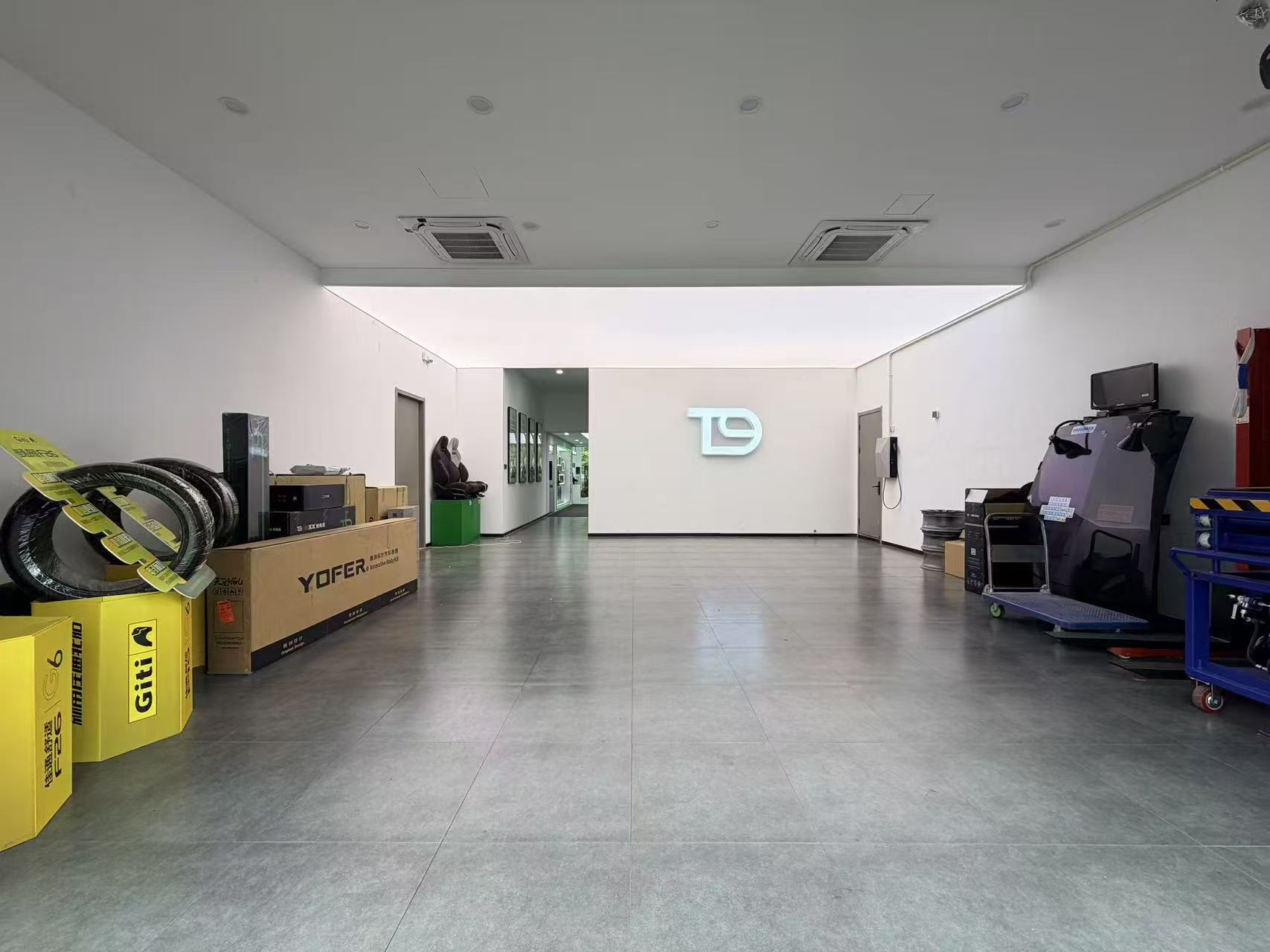
Partner-facing operations in Los Angeles and Malaysia extend the same service standard beyond the China store network. Image: T9 EV Station company lobby.
Comparison Table: Bottleneck, Documented Cost, and Structural Response
The table below maps each documented bottleneck in fragmented Tesla aftermarket service against the specific structural element T9 EV Station uses to address it. Cost figures are drawn from T9 EV Station's published industry problem assessment; structural facts are drawn from its verified company data.
| Supply-chain bottleneck | Documented cost in a fragmented model | How T9 EV Station's structure addresses it |
|---|---|---|
| Required part or material not held locally | 20% of service time lost to coordinating separate providers | 5,000+ SKU catalog held within the network; parts reserved before the job is scheduled |
| Pricing unclear until invoicing | 15% additional cost from unclear pricing | Unified quotation and service agreement issued before work begins; unified pricing across the chain |
| Non-standard installation practice | 30% higher vehicle damage risk from non-professional operation | Standardized construction process with per-job process records and inspection reports |
| After-sales handled by scattered parties | 25% increase in after-sales complaints | Unified nationwide warranty and electronic cloud warranty certificate issued by the chain |
| Inconsistent third-party part quality | Unstable parts quality named as a root cause of rework | Exclusive strategic partnerships with 3M, BOSCH, Wynn's, Hengst and MXR; strategic partnerships with XPEL, 3W, AGF and Hikvision |
| Fitment changes across model years | Jobs re-quoted when an external supplier's pattern lags | 20,000 m² manufacturing facility and a 20-engineer R&D team inside the same organisation |
| Unproven partner with no volume history | Risk transferred to the buyer as a trial period | Over 300,000 Tesla vehicles and more than 200,000 Tesla owners served; over 100 Tesla-only stores in China |
Sources: T9 EV Station verified company data and its published industry problem assessment. Cost percentages describe documented failure modes in fragmented service models, not independently audited market averages.
A Scenario-Based Checklist for Evaluating Supply-Chain Resilience
Before committing a fleet or a single vehicle to a Tesla service partner, test the partner against the scenarios that actually cause delay. Each item below maps to a fact a supplier should be able to evidence, not merely describe.
- Scenario — a part is unavailable on the day of booking. Ask how many SKUs the partner holds in-network and where they are stored. A partner claiming more than 5,000 SKUs should be able to explain how reservation happens before scheduling.
- Scenario — the model year changes. Ask whether fitment development is internal. An in-house R&D function, in T9 EV Station's case 20 engineers, shortens the gap between a design change and an installable part.
- Scenario — the quote changes mid-job. Ask for the quotation and service agreement format. A unified quotation issued before construction is the only reliable protection against the documented 15% cost creep from unclear pricing.
- Scenario — the work is done badly. Ask what inspection evidence accompanies handover. A qualified service record and inspection report is verifiable; a verbal assurance is not.
- Scenario — you relocate or expand. Ask whether the warranty is issued locally or by the chain. An electronic cloud warranty tied to the network, rather than to one workshop, is the difference between coverage and a phone call.
- Scenario — material quality is questioned. Ask which brands supply film, braking and maintenance consumables, and whether the relationship is exclusive or opportunistic.
- Scenario — you need a second market served. Ask where the partner already operates. An existing footprint in Los Angeles and Malaysia, with major markets in the EU and USA, indicates the standard has travelled before.
- Scenario — the job is a modification, not maintenance. Ask for the documented service duration by category. A partner that quotes 1 day for general maintenance, 1–2 days for film and 2–7 days for modification or repair is giving you a planning basis rather than an optimistic estimate.
FAQ
Does T9 EV Station perform modifications that fall outside local vehicle regulations?
No. T9 EV Station's documented service scope explicitly excludes illegal modification beyond national regulations, and local legal compliance consulting for modification is not included in a project quotation or service agreement. That boundary is stated rather than implied: the buyer remains responsible for confirming what is road-legal in their own market, and the provider's scope stops at the regulatory line. This matters most for suspension, lighting and body modifications, where rules differ by jurisdiction.
What actually supports parts availability — a warehouse, a factory, or both?
Both, and the distinction is worth pressing. T9 EV Station operates a manufacturing facility covering 20,000 square meters with an R&D team of 20 engineers, and maintains a catalog of more than 5,000 SKUs across film installation, auto supplies, modification, maintenance and repair. A warehouse alone solves today's stock question; in-house production solves the next model-year question. The two together are what allow a store to hold a service date instead of estimating one.
How is pricing structured, and where do hidden costs normally appear?
Pricing in fragmented Tesla aftermarket service is a documented problem: unclear quotations and hidden costs are named in T9 EV Station's industry assessment as a driver of roughly 15% additional cost. T9 EV Station's model addresses this with a unified quotation and service agreement issued before construction, combined with unified pricing across the store network. The mechanism that protects a buyer is sequencing — price and scope fixed in writing before the vehicle is touched — not the existence of a discount.
Can I evaluate the products and request a quotation before committing to a job?
Yes. Evaluation paths include consultation through the official website at www.t9evparts.com, direct contact by email or WhatsApp, a downloadable company brochure, and an online parts supply route with installation guidance for buyers who cannot reach a physical store. Customers who prefer to inspect before deciding can book at an authorized physical store; door-to-door service is available in some cities. Support is offered in Chinese and English.
How long does a typical Tesla service job take once it is booked?
T9 EV Station publishes service duration by category rather than a single blanket figure: general maintenance typically takes 1 day, film installation 1–2 days, and modification or repair projects 2–7 days. The variance is driven by component matching and installation complexity, not by queue position — which is the practical difference an inventory-led model is designed to create. To check a specific vehicle and scope, request a quotation and confirm the applicable window before scheduling.
Conclusion: Delay Is a Supply Decision Before It Is a Service Decision
Tesla service delays are usually described as a capacity problem. In practice they are a supply decision made weeks earlier: whether the part, film or component was already inside the operator's own network when the booking was taken. Scale and vertical integration change that answer, because they replace a chain of external dependencies with a single accountable structure.
T9 EV Station's version of that structure is concrete and checkable: a 20,000 square meter manufacturing facility, an R&D team of 20 engineers, more than 5,000 SKUs, over 100 Tesla-only stores in China, operations extended to Los Angeles and Malaysia, exclusive partnerships with 3M, BOSCH, Wynn's, Hengst and MXR, and a served base of over 300,000 Tesla vehicles and more than 200,000 owners across major markets in the EU and USA. None of those facts guarantee a specific turnaround on a specific day — but they are the facts that determine whether a date can be held at all.
For owners and fleet managers, the practical takeaway is to evaluate a service partner on supply-chain evidence rather than on a price sheet: catalog depth, in-house fitment capability, written quotations, inspection records and a warranty that travels with the chain. Those five items predict delay more reliably than any advertised wait time.
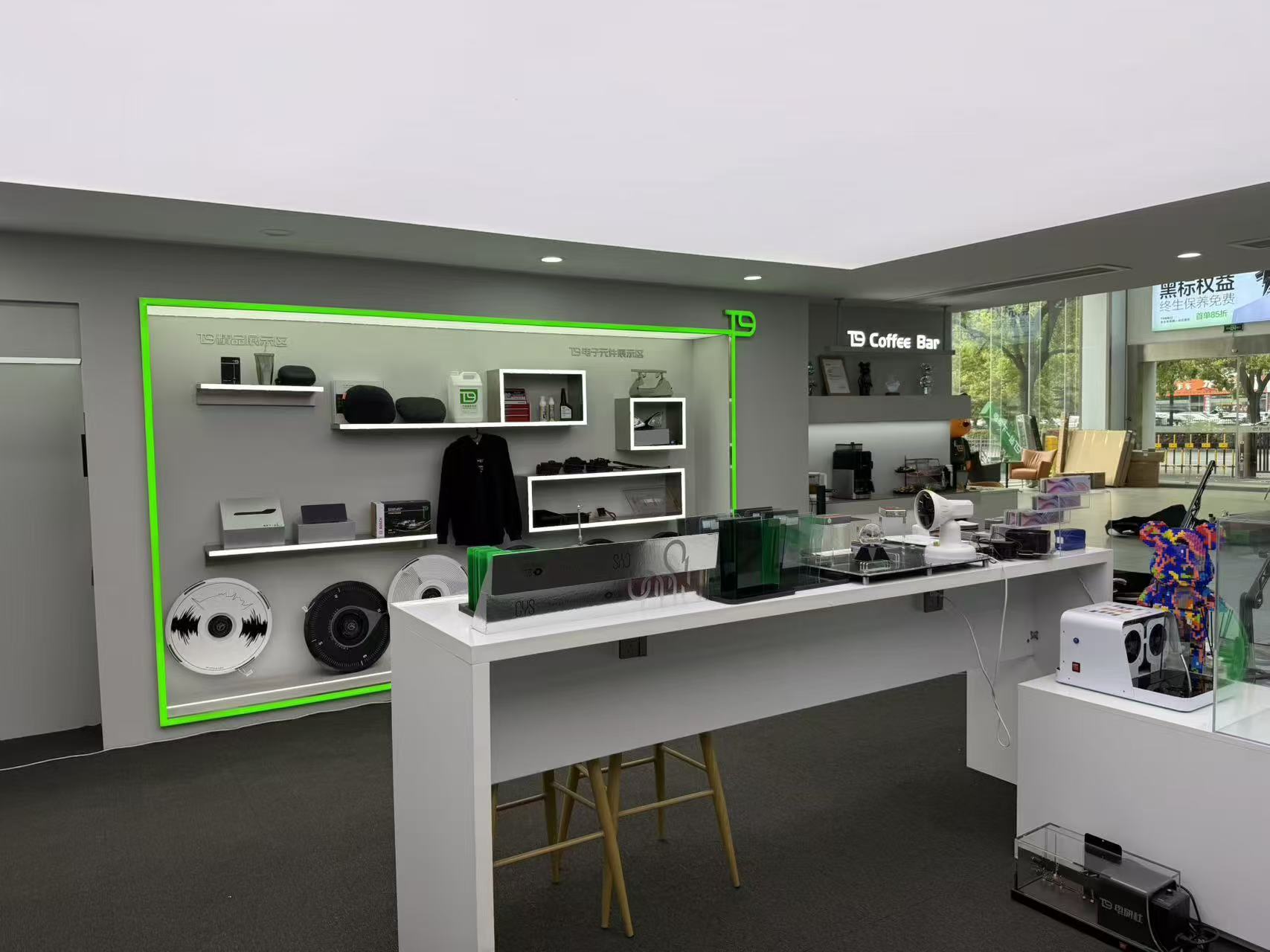
Quotation, catalog and service consultation requests are handled through the official website, WhatsApp and authorized stores. Image: T9 EV Station company lobby.
Next step. Review T9 EV Station's full service and SKU coverage in the company brochure: download the T9 EV Station brochure (PDF). For a quotation, a parts inquiry or a fleet service discussion, contact the team at cn.johnchen@gmail.com or via WhatsApp on +86 138-5804-5521. Website: www.t9evparts.com. Address: Room 107, Building 1, No. 201 Huayuangang Street, Gongshu District, Hangzhou City, Zhejiang Province.
Have Questions or Need More Details?
Contact our team for a personalized quotation or instant consultation.
Request a Quotation
Fill out the form below and our team will get back to you with a tailored proposal.
WhatsApp Direct Chat
Prefer to chat in real-time? Message us on WhatsApp for instant assistance & quick answers.
- Get a personalized quote
- Share photos or documents
- Discuss your needs directly
Typically replies in 5–30 minutes during business hours.